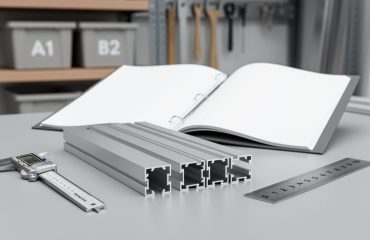
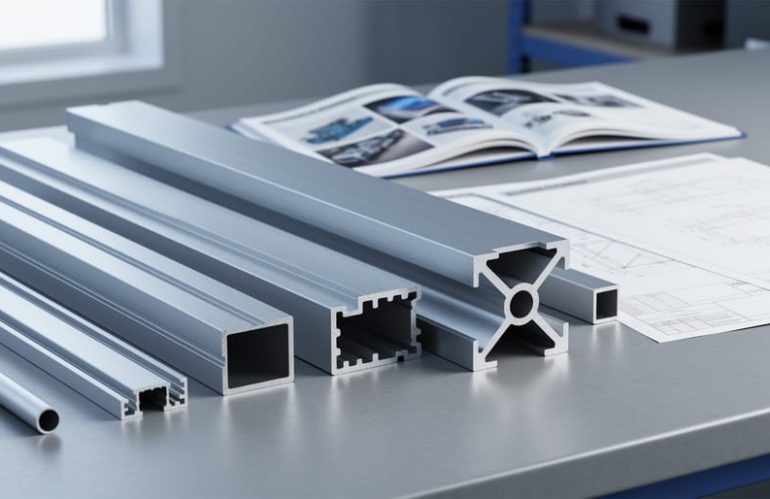
Standard aluminum extrusion profiles PDFs are technical catalogs that provide dimensional specifications, load capacities, and cross-sectional drawings for pre-engineered aluminum shapes used in construction, industrial design, and architectural applications. These downloadable documents serve as essential reference tools for professionals who need to quickly verify whether off-the-shelf profiles meet their project requirements or determine when custom extrusion becomes necessary.
A typical standard profiles PDF organizes content by profile series (T-slot, angle, channel, tube, and custom shapes), each section detailing critical specifications including alloy grade, wall thickness, moment of inertia, and compatible fastening systems. The most valuable catalogs include both imperial and metric measurements, surface finish options, and tolerance standards that align with ASTM B221 and other recognized industry benchmarks. Understanding how to read these technical drawings accurately prevents costly specification errors during the procurement phase.
The relationship between standard and custom profiles represents a practical design decision. Standard profiles offer immediate availability and lower per-unit costs for common applications, while custom extrusions provide optimized solutions for specialized structural requirements, thermal performance needs, or unique aesthetic demands. Many manufacturers, including those committed to sustainable aluminum production practices, maintain comprehensive PDF libraries that showcase both their standard inventory and customization capabilities.
For architects and engineers working in 2026, these PDF resources have evolved beyond simple dimension charts. Modern catalogs integrate CAD-ready drawings, material certifications, and sustainability data including recycled content percentages and embodied carbon metrics. This information directly supports informed decision-making throughout the design development and specification process.
Understanding Standard Aluminum Extrusion Profile Documentation
Essential Information in Profile PDFs
A comprehensive aluminum profile PDF delivers far more than a simple drawing, it provides the complete technical foundation needed for specification decisions. At minimum, expect to find precise cross-sectional geometry showing every dimension of the profile’s shape, including internal cavities, web thickness, and flange widths. These measurements typically appear in millimeters with tolerances clearly marked, allowing you to assess fit and compatibility with mating components.
Wall thickness data is particularly critical for structural applications. Most PDFs specify minimum, nominal, and maximum thickness values, which directly impact load-bearing capacity and material efficiency. Related to this, weight per meter (or per foot) enables accurate material quantity calculations for cost estimation and logistics planning.
Mechanical properties form another essential layer. Moment of inertia values (Ix, Iy) and section modulus figures let structural engineers calculate deflection and stress under load without running separate FEA simulations. Look for these values in both the strong and weak axes of the profile.
Material specifications always include the aluminum alloy designation, 6063-T5 dominates architectural applications for its excellent extrudability and surface finish, while 6061-T6 offers superior strength for structural demands. The temper designation (the letter-number combination after the dash) indicates heat treatment and directly affects mechanical properties.
Surface treatment options round out the technical package. PDFs should list available finishes: mill finish (raw aluminum), anodized (specifying thickness in microns), powder coated, or brushed. Each treatment affects corrosion resistance, appearance, and assembly considerations like welding compatibility.
Quality manufacturers provide all this data in a single, well-organized document. Missing information signals incomplete technical support and potential specification risks downstream.
Industry Standards and Certifications
When selecting aluminum extrusion profiles, understanding the governing standards ensures specification accuracy and product quality. Three primary frameworks define manufacturing excellence in this industry.
ASTM B221 establishes dimensional tolerances, mechanical properties, and chemical composition requirements for aluminum alloy profiles in North American markets. The ASTM B221 scope for profiles specifies permissible variations in cross-sectional geometry, straightness, and twist, critical factors when profiles must integrate with precision assemblies or achieve tight fit tolerances in curtain wall systems.
EN 755 serves as the European equivalent, with more restrictive tolerances in certain categories and detailed surface finish classifications. Projects spanning multiple regions often reference both standards, particularly in architectural applications where aesthetic consistency matters alongside structural performance.
ISO 9001 certification governs the quality management systems manufacturers use to maintain documentation integrity. Certified facilities implement rigorous quality control protocols at every production stage, from incoming raw material verification through final dimensional inspection. This certification ensures that technical PDFs accurately reflect production capabilities rather than theoretical specifications.
Reputable manufacturers publish their certifications directly in catalog PDFs alongside profile specifications. Look for certificate numbers, accrediting body details, and expiration dates. These credentials confirm that dimensional data, material properties, and tolerance ranges have been validated through third-party audits rather than self-reported claims. For projects requiring traceability or regulatory compliance, this documentation becomes essential during permitting and inspection processes.
Types of Standard Aluminum Extrusion Profiles
Structural and Framing Profiles
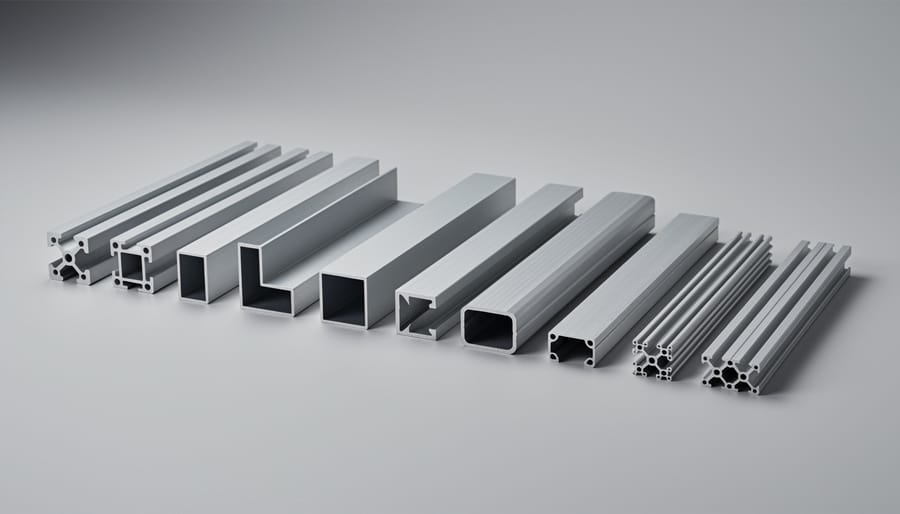
Structural and framing profiles form the backbone of industrial construction and modular assembly systems. T-slot profiles, recognizable by their longitudinal grooves, allow tool-free assembly using specialized nuts and fasteners, making them ideal for reconfigurable workstations, conveyor supports, and automated production lines. Standard catalogs typically show T-slot profiles ranging from 20mm to 100mm cross-sections, with multiple slot configurations for varying load requirements.
Box section profiles offer superior torsional rigidity and uniform strength in all directions, commonly specified for structural columns, equipment frames, and safety barriers. Standard sizes range from 25x25mm to 120x120mm with wall thicknesses between 1.5mm and 6mm, depending on load-bearing demands.
Angle profiles, available in equal-leg and unequal-leg configurations, serve as corner reinforcements, edge trim, and lightweight structural members. Channel sections provide excellent bending resistance along one axis, making them suitable for track systems, sliding door frames, and mounting rails.
H-beam profiles deliver maximum strength-to-weight ratios for spanning applications, found in overhead crane systems and heavy-duty support structures. Standard PDF catalogs present these profiles with complete section properties including moment of inertia, section modulus, and load tables for various span configurations, enabling precise structural calculations without custom engineering.
Architectural and Fenestration Profiles
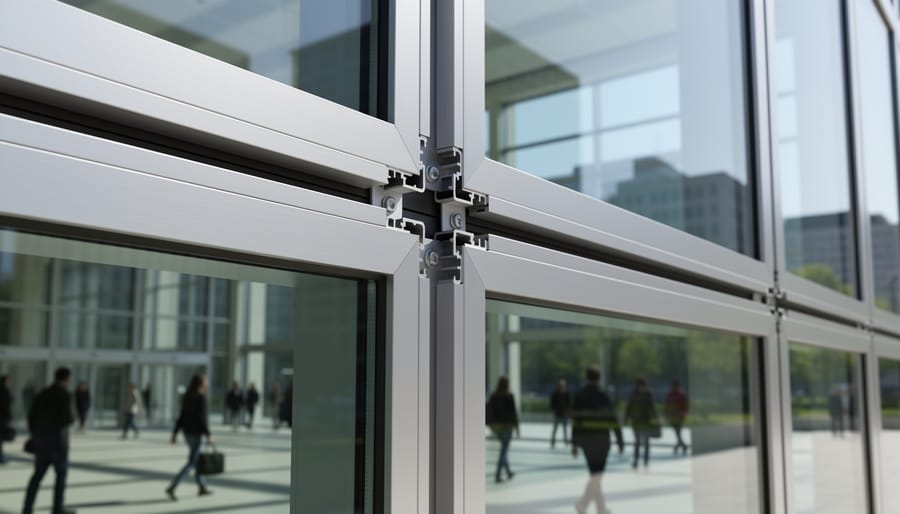
Window and door frame profiles represent a specialized category of aluminum extrusions designed to meet stringent thermal performance and structural requirements. These profiles incorporate complex geometries with multiple chambers that accommodate weatherstripping, drainage channels, and thermal breaks, polyamide strips that prevent heat transfer across the aluminum frame. Standard fenestration PDFs detail critical dimensions like glazing pockets (typically 20-28mm for double-glazed units), frame depths, and sightline measurements that affect both aesthetics and performance.
Curtain wall systems require even more sophisticated profiles. These PDFs specify mullion and transom sections engineered to support glass weights while accommodating building movement through expansion joints. You’ll find pressure equalization chamber details, anchor point locations, and load-bearing capacities, essential data for facade engineers calculating wind loads and structural integration.
Thermal break specifications deserve particular attention. Quality profile documentation shows the exact polyamide configuration, U-value performance data, and compliance with energy codes. Long Metal Solar Roofing’s architectural profiles incorporate precision-engineered thermal breaks that meet LEED and Passive House standards, with comprehensive technical drawings showing every thermal bridge detail.
Surface finish options, anodized, powder-coated, or PVDF, are documented with color codes, coating thicknesses, and weather resistance ratings specific to facade applications.
Specialty Application Profiles
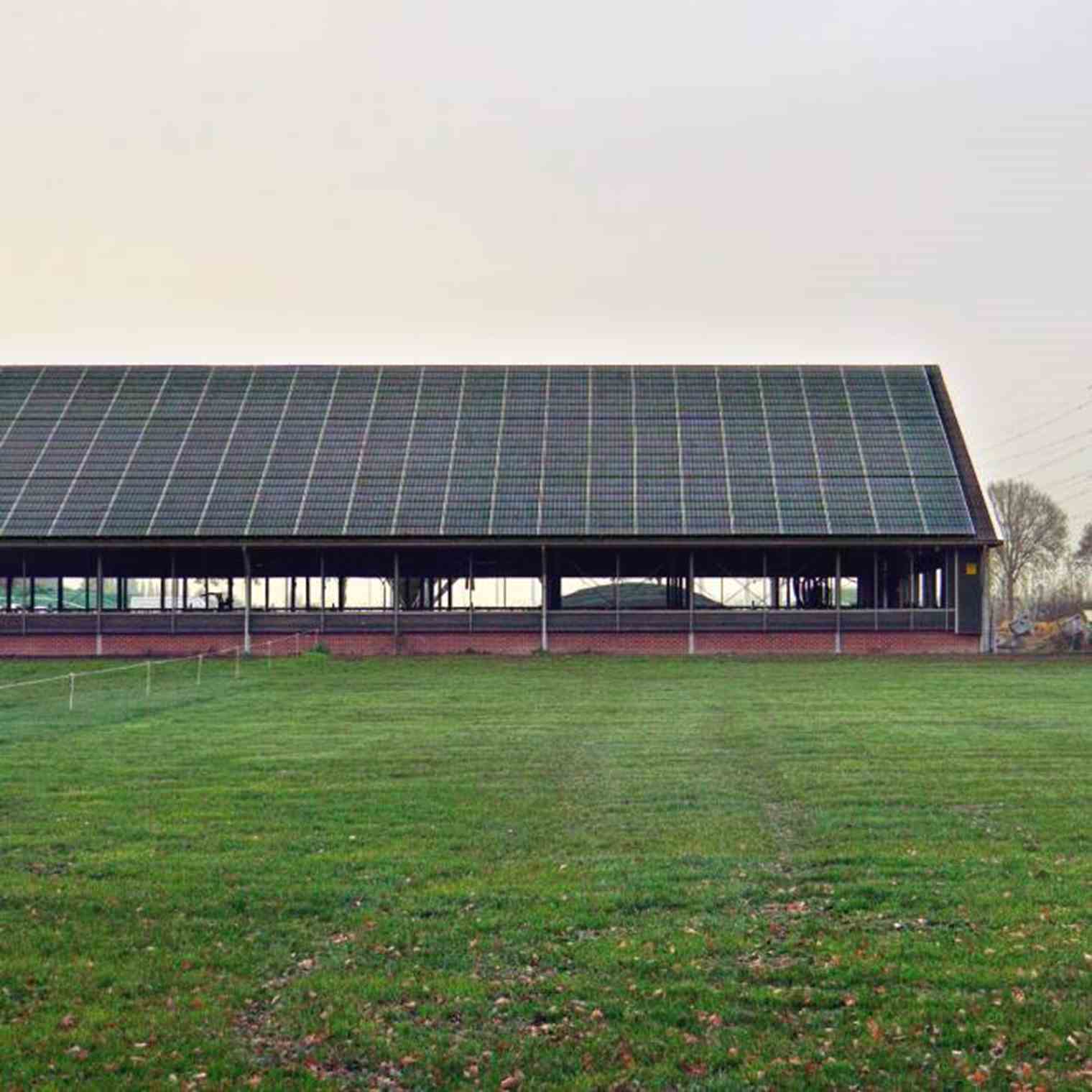
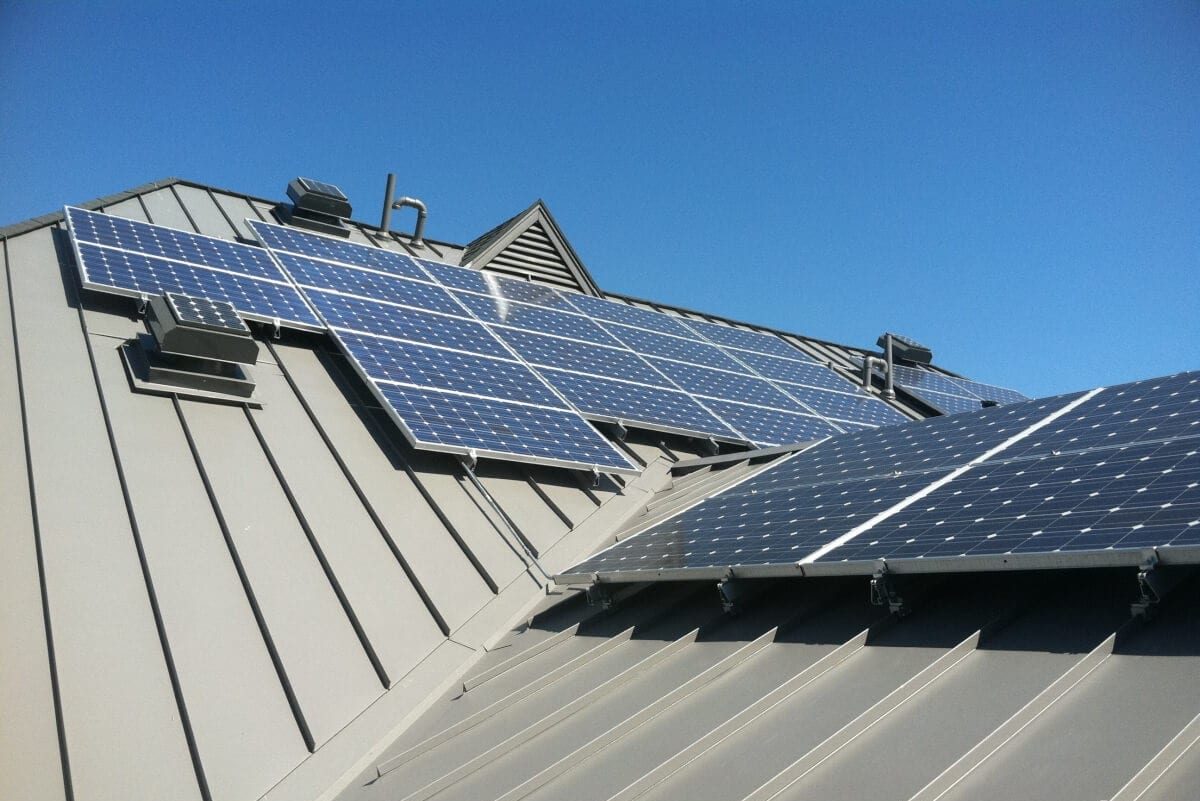
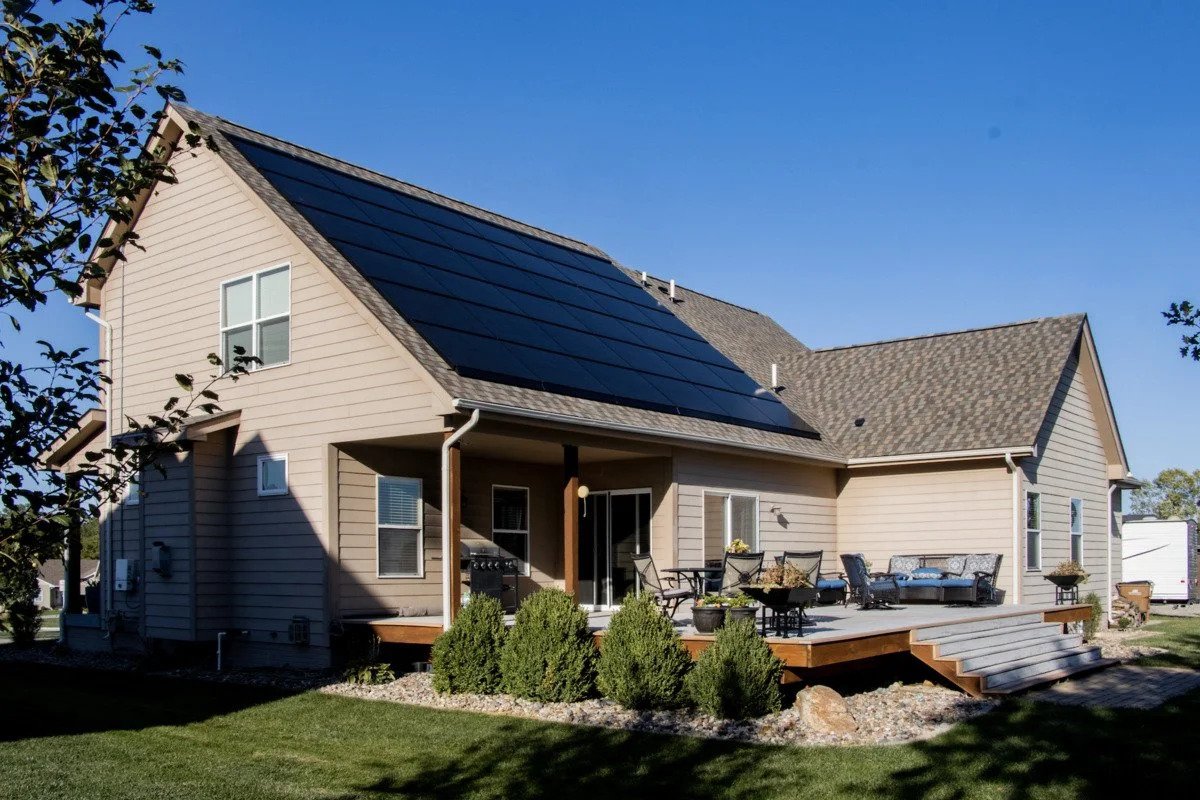
Specialty application profiles address demanding technical requirements beyond general structural or architectural needs. Solar panel mounting systems represent a rapidly growing category, with profiles engineered for specific installation methods across diverse roofing types and ground-mount configurations. These extrusions feature integrated cable management channels, grounding provisions, and optimized geometry for maximum load distribution while minimizing material weight. Long Metal Solar Roofing develops mounting brackets compatible with various solar roof styles from standing seam metal to ballasted flat roof systems, ensuring structural integrity under wind and snow loads.
LED lighting channels combine optical engineering with thermal management, featuring diffuser grooves and heat dissipation fins in a single profile. Heat sink extrusions maximize surface area through carefully designed fin arrays, with specifications detailing thermal resistance values (°C/W) critical for electronics cooling applications.
Transportation profiles meet stringent weight reduction targets while maintaining crash performance standards. Standard PDFs for these applications include alloy certifications, impact resistance data, and compliance documentation for automotive or rail industry specifications, enabling engineers to evaluate suitability without custom testing for every project.
How to Read and Interpret Aluminum Profile Technical Drawings

Dimensional Tolerances and Specifications
Manufacturing tolerances define the acceptable dimensional variation in aluminum profiles, directly impacting how components fit together during assembly. Standard profile PDFs typically specify tolerances according to international standards like EN 755-9 or ASTM B221, which categorize dimensional accuracy into different tolerance classes. Class A tolerances offer tighter control (±0.10mm for critical dimensions) and higher cost, while Class B or standard tolerances (±0.20-0.30mm) suit most applications. Understanding these classifications helps you balance precision requirements against budget constraints.
Dimension chains in technical drawings show how multiple tolerances accumulate across a profile’s cross-section. When you stack several toleranced dimensions, the total possible variation equals the sum of individual tolerances, a critical consideration for applications requiring precise alignment. For projects where you need to install solar panels using aluminum mounting profiles, accumulated tolerances across bolt channels and mounting surfaces can affect panel positioning and structural integrity. Always verify that tolerance stackup remains within acceptable limits for your assembly requirements.
Wall thickness tolerances particularly matter for structural calculations and surface treatment processes. A nominal 2.0mm wall might actually measure 1.85-2.15mm within standard tolerances, affecting both load-bearing capacity and anodizing depth. Reputable manufacturers document minimum wall thickness guarantees in their PDFs, ensuring you can specify profiles confidently. Corner radii, angle accuracy, and perpendicularity also carry specific tolerance callouts that influence mechanical performance and aesthetic appearance in finished assemblies. Review these specifications carefully against your project’s functional and visual requirements before finalizing profile selection.
Material Properties and Performance Data
Aluminum profile PDFs typically present mechanical properties through standardized data tables that require careful interpretation for proper application. Tensile strength values, commonly listed between 160-310 MPa for architectural alloys like 6063-T5 and 6061-T6, indicate the material’s resistance to breaking under tension. Yield strength, typically 110-276 MPa, represents the stress level at which permanent deformation begins, critical for structural calculations.
Thermal conductivity figures (typically 160-200 W/m·K for common alloys) appear in catalogs to support heat dissipation calculations for applications like LED housings or heat sinks. Higher values indicate better heat transfer capability. The thermal expansion coefficient, around 23.6 × 10⁻⁶/°C, helps designers account for dimensional changes across temperature ranges in facade systems and precision assemblies.
Surface finish specifications use nomenclature like “Mill Finish” (as-extruded), “Anodized Class I/II” (different coating thicknesses), or powder-coated RAL color codes. Corrosion resistance ratings often reference marine (C5-M) or industrial (C4) environmental classifications per ISO 12944 standards. Alloy 6063-T5 provides adequate corrosion resistance for most architectural applications, while 6061-T6 offers superior performance in harsh coastal or industrial environments. These specifications directly impact service life and maintenance requirements, making accurate interpretation essential for long-term project success.
Transitioning from Standard to Customized Aluminum Profiles
Custom Design Process and Documentation Requirements
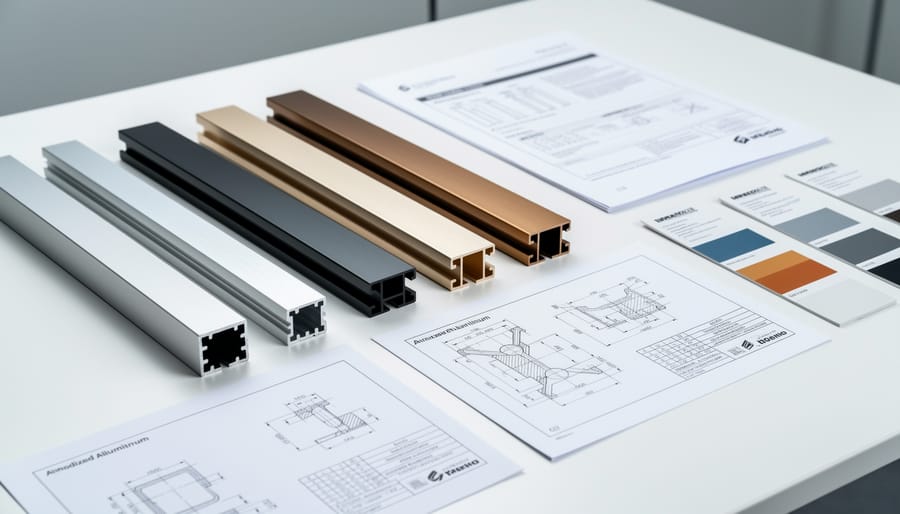
When standard profiles fall short of project requirements, the custom extrusion process begins with a collaborative design phase. Leading manufacturers work directly with clients to translate conceptual sketches or performance specifications into precise CAD drawings that define every dimensional detail, wall thickness, and functional feature of the proposed profile.
The documentation requirements for custom profiles are more extensive than for standard catalog items. Engineers typically need detailed technical drawings showing all critical dimensions, cross-sectional geometry, tolerance requirements, and material specifications. These initial drawings undergo iterative refinement, with manufacturers evaluating structural integrity, manufacturability constraints, and die cost implications before finalizing the design.
Once approved, the profile design moves into die engineering. Manufacturers with comprehensive in-house capabilities can control this entire process, from CAD model development through die fabrication and testing. The die design phase produces its own documentation set, including thermal analysis data, extrusion parameters, and predicted material flow patterns that ensure consistent profile quality during production.
Before full production runs, most manufacturers produce initial samples for dimensional verification and mechanical testing. This stage generates inspection reports, material certificates, and surface finish documentation that become part of the permanent project file. Long Metal Solar Roofing maintains complete technical records throughout this process, providing clients with comprehensive documentation packages that mirror the detail level of standard profile PDFs while addressing project-specific requirements. This documentation becomes the foundation for future reorders and quality assurance protocols.
Sourcing and Utilizing Standard Profile PDF Resources
Finding reliable technical documentation begins with identifying reputable manufacturers who maintain comprehensive digital libraries. Most established aluminum extrusion manufacturers host downloadable catalogs on their websites, typically organized by profile category and application. Look for manufacturers who provide searchable PDF databases with complete dimensional data, material specifications, and CAD files, these indicate a commitment to supporting professional design workflows.
When evaluating profile resources, prioritize manufacturers holding ISO 9001 certification and documented quality management systems. Verify that catalogs include complete tolerance information, alloy specifications, and surface finish options rather than simplified marketing materials. Industry associations like the Aluminum Extruders Council and regional architectural specification institutes often maintain vetted manufacturer directories with links to technical resources.
Building a functional technical library requires consistent organization. Create a folder structure sorted by profile type, manufacturer, and project application. Rename downloaded files with descriptive tags including profile series, dimensions, and date accessed, this prevents confusion when catalogs are updated. Many specification professionals maintain a master spreadsheet tracking which manufacturers supply which profile types, noting lead times and minimum order quantities alongside documentation links.
Cross-reference multiple manufacturers’ offerings for similar profiles to understand market standards and pricing benchmarks. Download both general catalogs and specialized application guides, as manufacturers often publish separate resources for architectural systems, solar mounting applications, or industrial framing that contain valuable installation details absent from general catalogs.
Update your library quarterly, as manufacturers introduce new profiles and refine specifications. Subscribe to manufacturer technical bulletins where available, and verify that saved PDFs reflect current production capabilities before specifying profiles in construction documents. This proactive approach prevents specification errors and ensures access to the latest innovations in aluminum extrusion technology when project requirements demand specialized solutions.
Sustainability and Environmental Considerations
Modern standard aluminum profile PDFs increasingly incorporate comprehensive environmental data to support sustainable design decisions and green building certification. This documentation has evolved beyond basic material composition to include quantifiable environmental metrics that architects and specifiers need for LEED, BREEAM, and other sustainability rating systems.
Aluminum’s inherent recyclability stands as its most compelling environmental attribute. Quality profile specifications now commonly state that extrusions contain 60-80% recycled content without performance degradation, since aluminum retains its structural properties through infinite recycling loops. This closed-loop potential reduces the material’s lifetime environmental footprint dramatically compared to virgin production.
Embodied carbon data represents a critical component of contemporary profile documentation. Progressive manufacturers publish cradle-to-gate carbon values, typically ranging from 1.8 to 8.5 kg CO2e per kilogram depending on recycled content and production methods. These figures enable designers to calculate whole-building carbon impacts during early design phases, supporting net-zero commitments and carbon budget compliance.
Environmental Product Declarations have become the gold standard for third-party verified environmental data. EPDs following ISO 14025 and EN 15804 standards provide transparent lifecycle assessment results covering raw material extraction through manufacturing. Specifiers should look for current EPDs in profile catalogs, documents typically valid for five years, that detail global warming potential, ozone depletion, acidification, and resource depletion metrics.
Long Metal Solar Roofing maintains ISO 9001 certification and provides detailed environmental documentation with all standard and custom profiles, supporting clients’ sustainability goals with verifiable data. Comprehensive PDF specifications include recycled content percentages, third-party certifications, and guidance on end-of-life recycling to facilitate circular economy practices throughout the building’s service life.
Common Questions About Standard Aluminum Extrusion Profile Documentation
What’s the difference between 6063 and 6061 aluminum alloys in standard profiles?
6063-T5 is the most common extrusion alloy, offering excellent formability, surface finish quality, and corrosion resistance, making it ideal for architectural applications. 6061-T6 provides higher strength and better machinability, typically specified for structural components requiring greater load-bearing capacity or where mechanical fastening is critical.
What are typical minimum order quantities for custom aluminum profiles?
Standard profiles are usually available in smaller quantities, often as low as individual lengths for common sizes. Custom extrusions typically require minimum orders ranging from 500 to 2,000 pounds depending on profile complexity and die costs, though some manufacturers offer prototype runs for design validation before full production.
How long does it take to receive standard versus custom profiles?
Standard profiles from inventory can ship within days to two weeks depending on surface finish requirements. Custom profiles require die design and manufacturing time, with typical lead times of 6-10 weeks from approved drawings to first production samples, plus additional time for full production runs and any specified surface treatments.
Can I rely on PDF specifications for precise dimensional accuracy?
PDF catalogs provide nominal dimensions and standard tolerances, which are generally accurate for initial design work. However, always verify critical dimensions with the manufacturer’s quality control documentation and request actual production samples when tight tolerances are essential for your application, particularly for complex assemblies or precision installation best practices.
Beyond these common queries, architects and engineers frequently ask about surface finish options beyond what appears in standard PDFs. While catalogs typically list mill finish, anodized (clear, bronze, black), and powder-coated options, many manufacturers offer specialized treatments including woodgrain finishes, dual-color anodizing, and custom RAL color matching. Thermal break performance data is another area where PDF specifications may provide only baseline values, request project-specific thermal modeling when energy efficiency is critical, especially for curtain wall and window systems.
Certification requirements vary by jurisdiction and application. Standard profile PDFs should reference relevant compliance standards, but procurement specialists should verify that manufacturer quality management systems align with project specifications. ISO 9001 certification ensures documented quality processes, while specific product certifications for fire rating, structural performance, or environmental standards require separate validation through testing reports and third-party verification documentation.
Comprehensive standard aluminum extrusion profile documentation serves as the foundation for successful project execution, reducing specification errors and streamlining the procurement process. Accurate PDF catalogs containing detailed technical drawings, material properties, and tolerance specifications enable architects and engineers to make informed decisions early in the design phase, preventing costly revisions during construction.
Working with ISO-certified manufacturers ensures you receive documentation that meets international quality standards and accurately represents the products you’ll receive. These manufacturers maintain rigorous quality management systems that extend from technical documentation through final delivery, providing the consistency and reliability essential for large-scale projects.
At Long Metal Solar Roofing, we recognize that transparency begins with comprehensive technical resources. Our detailed profile catalogs and specification guides reflect our commitment to supporting your work from initial concept through installation. Whether you select from our range of standard profiles or require customized solutions for unique applications, our in-house capabilities and certified quality systems ensure you receive accurate documentation, responsive technical support, and products that meet your exact specifications. This integrated approach transforms aluminum profile selection from a procurement challenge into a strategic advantage for your project’s success.