
Quality control specialists serve as the critical checkpoint between manufacturing processes and product delivery, ensuring that materials, components, and finished goods meet stringent industry standards before they reach construction sites. In an era where building failures can result in catastrophic safety issues and costly litigation, these professionals function as the technical guardians of manufacturing integrity, applying systematic inspection protocols, statistical analysis, and regulatory compliance expertise to verify that every product leaving a facility performs as specified.
For architects and construction managers evaluating suppliers in 2026, understanding the QC specialist’s role has become essential to risk management. These professionals don’t simply check boxes on inspection forms. They interpret complex technical drawings, conduct destructive and non-destructive testing, maintain ISO 9001 certification compliance, and document every deviation from specification with forensic precision. When you specify a metal roofing system with particular corrosion resistance or wind uplift ratings, a quality control specialist validates those performance characteristics through calibrated testing equipment and documented procedures.
The distinction between adequate and exceptional quality control often determines whether a construction project proceeds smoothly or faces delays, rework, and warranty claims. A qualified QC specialist brings metallurgical knowledge, measurement expertise, and an understanding of how manufacturing variables affect long-term product performance. They identify defects before installation, reduce material waste through process optimization, and provide the documentation trail that supports sustainable building certifications and manufacturer warranties. This combination of technical skill and systematic rigor makes them indispensable to modern manufacturing operations serving the construction industry.
The Role and Core Responsibilities of a Quality Control Specialist
Inspection and Testing Functions
Quality control specialists in metal fabrication environments perform systematic physical examinations and measurements that validate materials and finished products against engineering specifications. They begin with incoming raw material verification, checking aluminum alloy certificates against order specifications and conducting visual inspections for surface defects, corrosion, or contamination that could compromise the final product.
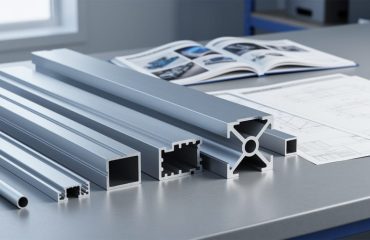
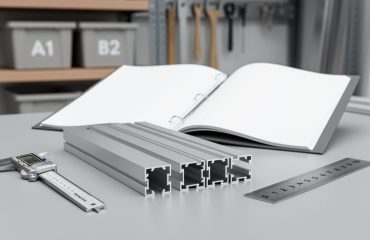
Dimensional verification forms the backbone of daily QC work in aluminum profile manufacturing. Specialists use calibrated instruments including micrometers, calipers, and coordinate measuring machines to verify extrusion dimensions, wall thickness uniformity, and geometric tolerances. For architectural aluminum profiles, they measure cross-sectional dimensions at multiple points along the length, checking for consistency within specified tolerances that typically range from ±0.1mm to ±0.5mm depending on the application. This precision matters because even minor dimensional deviations can create installation problems or structural weaknesses in construction assemblies.
Performance testing extends beyond simple measurement. QC specialists conduct hardness testing to verify heat treatment effectiveness, surface adhesion tests for anodized or powder-coated finishes, and salt spray testing to confirm corrosion resistance meets industry standards. They follow documented inspection and testing steps that specify sampling frequencies, acceptance criteria, and required documentation for each production batch.
For custom profiles, specialists develop specific test protocols that address unique design features. They might verify snap-fit tolerances for glazing systems, test thermal break integrity in window profiles, or measure deflection under specified loads for structural components. Each test generates documentation that becomes part of the product’s certification package, providing traceability and quality assurance for construction projects.
Documentation and Compliance Management
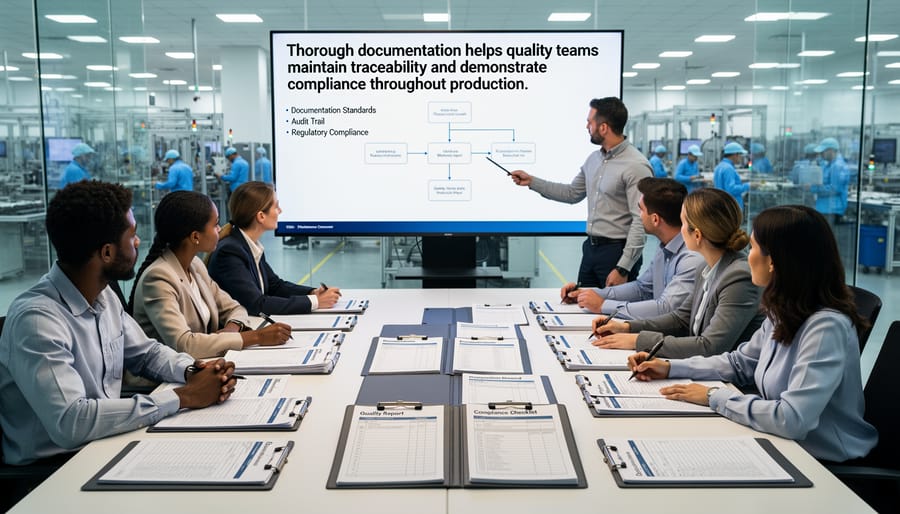
Beyond inspections and tests, quality control specialists serve as the custodians of manufacturing documentation, a responsibility that determines whether a facility passes audits, maintains certifications, and proves product conformance when questions arise months or years after delivery.
QC specialists create and manage comprehensive records for every production batch. This includes material certificates verifying aluminum alloy composition, inspection reports documenting dimensional measurements, test results confirming mechanical properties, and photographic evidence of surface finishes. Each document links directly to batch numbers and project identifiers, establishing complete traceability from raw material receipt through final shipment.
Certification management forms another critical function. QC specialists maintain current copies of ISO9001 and ISO14001 certificates, coordinate recertification audits, and ensure all supporting documentation meets auditor requirements. They track calibration schedules for measuring equipment, maintain supplier qualification records, and archive customer-specific quality agreements. When architects or construction managers request certification packages for building approvals, QC specialists compile these comprehensive dossiers.
The traceability systems QC specialists maintain prove essential when issues surface. If a construction project identifies a concern with delivered profiles six months after installation, proper documentation allows specialists to trace the exact production run, review all quality checks performed, identify any deviations, and determine whether similar batches require inspection. This capability protects both manufacturers and clients while demonstrating the accountability that separates professional fabricators from facilities operating without rigorous quality systems.
Quality Control Specialists and ISO Certification Standards
Maintaining ISO9001 Quality Management Systems
Quality control specialists serve as the operational backbone of ISO9001 compliance in metal fabrication facilities. They translate the standard’s requirements into daily procedures, ensuring every process from incoming material verification to final inspection follows documented quality management protocols.
A QC specialist’s ISO9001 responsibilities begin with process monitoring. They verify that production workflows align with established work instructions, capturing data at critical control points throughout aluminum extrusion and finishing operations. When dimensional tolerances shift or surface quality issues emerge, they initiate corrective action procedures and document root cause analyses. This systematic approach prevents defects from recurring across production runs.
Internal audits form another cornerstone of their ISO9001 work. QC specialists schedule and conduct regular audits of quality procedures, calibration records, and training documentation. They interview operators, review inspection logs, and assess whether actual practices match the quality manual. These audits identify gaps before external certification bodies arrive, giving management time to address non-conformances.
Continuous improvement activities occupy significant time for experienced QC specialists. They analyze quality metrics, identify trends in inspection data, and propose process refinements. In aluminum profile manufacturing, this might mean recommending die adjustments to reduce scrap rates or suggesting new testing methods for custom architectural profiles. They chair quality review meetings, track improvement initiatives, and measure their effectiveness through key performance indicators.
Documentation accuracy matters critically. QC specialists maintain the records that prove ISO9001 compliance during certification audits, creating an auditable trail from raw material certificates through final product release.

Environmental Compliance and ISO14001
Quality control specialists serve as environmental guardians within manufacturing operations, ensuring facilities meet ISO14001 standards while minimizing ecological impact. In aluminum extrusion, they monitor energy consumption during the melting and extrusion processes, track waste aluminum recycling rates, and verify proper disposal of cutting fluids and surface treatment chemicals.
These professionals conduct regular environmental audits, measuring emissions from furnaces, checking air filtration systems, and ensuring wastewater from anodizing or powder coating stays within regulated limits. They maintain detailed records of hazardous material usage, storage conditions, and disposal methods, documentation that proves compliance during third-party ISO14001 audits.
Beyond regulatory checkboxes, QC specialists drive sustainability initiatives that reduce environmental footprint. They identify opportunities to reclaim scrap aluminum, optimize packaging materials to reduce waste, and implement energy-efficient production schedules. For instance, they might recommend batching similar profiles to minimize furnace temperature adjustments, cutting energy use by 15-20% while maintaining quality standards.
When manufacturing custom architectural profiles, QC specialists ensure environmentally responsible practices throughout the supply chain. They verify that aluminum suppliers source material from smelters with sustainable practices, document recycled content percentages, and confirm that surface treatments use low-VOC compounds compliant with environmental regulations.
This environmental stewardship protects manufacturers from regulatory penalties while supporting the construction industry’s growing demand for verifiable sustainability credentials in building materials.
Essential Skills and Qualifications for Quality Control Specialists
Successful quality control specialists combine technical expertise with analytical thinking and strong communication abilities. While specific requirements vary by industry and company size, certain core competencies consistently separate effective QC professionals from those who merely check boxes.
Most manufacturing and construction environments require at least an associate degree in quality assurance, industrial engineering, manufacturing technology, or a related technical field. Bachelor’s degrees become increasingly important for senior QC positions or roles in complex manufacturing operations like aluminum extrusion facilities. However, practical experience often carries equal weight with formal education, particularly for candidates who’ve worked their way up through production or inspection roles.
Technical proficiency forms the foundation of quality control work. QC specialists must understand measurement systems, statistical process control, and inspection methodologies specific to their industry. In metal fabrication, this includes knowledge of dimensional metrology, surface finish standards, and material testing protocols. Familiarity with quality management software, computer-aided inspection tools, and digital measurement equipment has become essential as manufacturing operations modernize.
- Certified Quality Inspector (CQI)
- Entry-level ASQ certification demonstrating competency in inspection techniques, measurement systems, and basic quality principles. This certification establishes foundational knowledge for manufacturing inspection roles.
- Certified Quality Auditor (CQA)
- Professional credential focusing on audit planning, execution, and reporting skills necessary for maintaining ISO certification compliance. Required for QC specialists conducting internal quality system audits.
- Certified Quality Engineer (CQE)
- Advanced ASQ certification covering statistical analysis, process improvement, and quality system design. Typically required for senior QC positions with broader quality management responsibilities.
- Metrology and Calibration Training
- Specialized instruction in measurement uncertainty, calibration standards, and precision measurement techniques. Critical for QC specialists working with tight tolerances in architectural metal fabrication.
Professional certifications through organizations like the American Society for Quality significantly enhance career prospects and credibility. These credentials demonstrate commitment to the field while providing standardized knowledge frameworks that align with industry best practices.
Beyond technical skills, effective QC specialists possess strong attention to detail coupled with the ability to see broader patterns in production data. They need excellent communication skills to explain technical findings to both shop floor personnel and executive leadership. Problem-solving abilities matter tremendously, as QC specialists regularly investigate nonconformances and recommend corrective actions. The best quality control professionals balance perfectionist tendencies with practical understanding of manufacturing realities and economic constraints.
Quality Control in Aluminum Profile Manufacturing
Material Verification and Testing Protocols
Material verification begins the moment raw aluminum arrives at the facility. QC specialists check mill certificates against purchase orders, verifying that the alloy designation matches specifications, whether 6063-T5 for architectural applications or 6061-T6 where higher strength is required. They don’t simply file these certificates. They validate them through spectrometric analysis, using handheld XRF analyzers to confirm elemental composition on-site.
Mechanical property testing follows established protocols. Tensile strength, yield strength, and elongation values must meet ASTM B221 standards for extruded aluminum products. QC specialists pull samples from production runs and subject them to destructive testing in calibrated equipment. A 6063-T5 profile, for instance, should demonstrate minimum tensile strength of 186 MPa. Anything below that triggers investigation and potential batch rejection.
Surface treatment verification adds another layer. Anodizing thickness gets measured with eddy current gauges, construction-grade profiles typically require 15-25 microns depending on exposure class. Powder coating undergoes cross-hatch adhesion tests and salt spray resistance testing per AAMA 2604 standards.
Temperature tracking matters more than many realize. QC specialists monitor aging oven temperatures and dwell times because a profile aged at 180°C for six hours develops different properties than one aged at 185°C for five hours. These variables directly affect whether your curtain wall performs as engineered or fails prematurely. The documentation trail connects every test result to specific production batches, creating full traceability.
Quality Assurance for Custom Profiles
Custom aluminum profiles present unique quality control challenges that require QC specialists to move beyond standard inspection protocols. When architects specify non-standard dimensions, complex geometries, or specialized surface finishes, quality control teams must develop project-specific verification procedures that address both technical tolerances and aesthetic requirements.
QC specialists begin by translating architectural drawings and performance specifications into measurable quality criteria. They establish inspection checkpoints throughout the extrusion process rather than relying solely on final product evaluation. For profiles with intricate cross-sections, this means verifying wall thickness uniformity, corner radii accuracy, and dimensional consistency at multiple points along each length.
Surface finish requirements for custom profiles demand particular attention. QC specialists use calibrated instruments to measure anodizing thickness, verify powder coating adhesion, and assess color consistency against approved samples. They understand that architectural applications require not just technical compliance but visual uniformity across large installations.
Documentation becomes more rigorous with customization. Quality control teams maintain detailed records linking each production batch to specific project requirements, including material certifications, dimensional inspection reports, and finish verification data. This traceability ensures that if installation issues arise, specialists can quickly determine whether deviations occurred during manufacturing or handling.
For projects requiring thermal performance or structural load-bearing capabilities, QC specialists coordinate third-party testing to validate that custom profiles meet engineered specifications before shipment.
How Quality Control Specialists Impact Project Outcomes
The quality control specialist’s work directly shapes whether a construction project succeeds or becomes a costly problem. When QC teams catch dimensional variances in aluminum profiles before installation, they prevent expensive field corrections that can delay timelines by weeks. A single batch of non-conforming profiles that reaches a job site can trigger rework costs exceeding £50,000 once you factor in labour, equipment rental extensions, and project delays.
Effective quality control reduces material waste substantially. QC specialists who verify alloy composition and mechanical properties before fabrication prevent the production of components that fail performance testing later. This upstream intervention keeps rejection rates below 2% in well-managed facilities, compared to industry averages of 5-8% where quality oversight is inconsistent.
For architects and construction managers, quality control specialists provide documented evidence that materials meet design specifications and building codes. The inspection reports and test certificates they generate become essential documentation during regulatory reviews and project handovers. When disputes arise about material performance, these records protect all parties by establishing a clear chain of custody and verification.
Procurement specialists benefit from QC teams through reduced supply chain risk. A manufacturer with certified quality control specialists can demonstrate process consistency across production runs, which matters enormously for large projects requiring multiple shipments over months. The specialist’s documentation proves that batch 47 meets the same standards as batch 1, eliminating the need for redundant on-site testing.
Client satisfaction improves measurably when quality control catches issues early. Projects delivered on specification, on time, and without field corrections build trust that leads to repeat business. The QC specialist’s attention to finishing details, tolerance verification, and packaging integrity translates directly into smoother installations and fewer punch-list items at project completion.
Working with Manufacturers: What to Expect from Quality Control Teams
When you engage a manufacturing partner, their quality control team should function as your first line of defense against defects, delays, and non-compliance issues. Understanding what to expect from professional QC teams helps you evaluate suppliers and establish productive working relationships.
Request access to their inspection and testing protocols upfront. Reputable manufacturers provide detailed documentation showing how they verify incoming materials, monitor in-process quality, and conduct final product inspections. For aluminum profiles, this includes dimensional verification records, surface finish assessments, and alloy composition certificates. If a supplier hesitates to share these protocols, consider it a red flag.
Certification documentation should be readily available and current. Ask to see their ISO9001 certificate, noting the scope and expiration date. Beyond the certificate itself, inquire about their most recent audit results and corrective action reports. Manufacturers with mature quality systems openly discuss these findings as evidence of continuous improvement rather than hiding imperfections.
Establish clear communication channels with the QC team before production begins. You should have direct contact with quality personnel who can address technical questions, provide progress updates, and resolve issues quickly. The best partnerships include scheduled quality checkpoints where you review inspection data, test results, and compliance documentation at critical production stages.
Expect detailed final inspection reports with every shipment. These documents should include measurement data, test results, photographs of finished products, and certification statements confirming compliance with your specifications. Generic reports lacking specific data points suggest superficial quality control. Comprehensive documentation demonstrates accountability and provides the traceability you need for your own project records and regulatory compliance.
Quality control specialists serve as the crucial link between manufacturing precision and project success. Their expertise ensures that materials meet specifications, certifications remain current, and products perform as promised, considerations that directly impact your project timelines, budgets, and long-term performance.
When evaluating manufacturing partners, the presence of experienced QC specialists backed by ISO9001 and ISO14001 certifications signals more than regulatory compliance. It demonstrates a systematic commitment to quality that translates into fewer defects, reduced rework, and reliable product consistency. For architects and construction managers, this means specifications are met without compromise. For procurement specialists, it means predictable delivery of materials that perform as documented.
The most reliable manufacturers integrate quality control throughout their operations rather than treating it as a final checkpoint. Look for partners who provide transparent documentation, detailed inspection reports, and direct access to their quality control teams. These capabilities indicate a manufacturing philosophy where quality specialists actively prevent problems rather than simply identifying them.
In an industry where material failures carry significant consequences, partnering with manufacturers who invest in robust quality control systems protects your projects and your reputation.