Product therapy is the systematic assessment, treatment, and preventive maintenance of aluminum profiles and other building components to extend their functional lifespan and maintain performance standards. This approach combines diagnostic evaluation with targeted interventions, allowing construction professionals to address surface degradation, structural wear, and environmental damage before replacement becomes necessary. Through regular inspection protocols and evidence-based treatment methods, facility managers can preserve both the aesthetic quality and structural integrity of architectural aluminum systems.
The practice has become central to sustainable asset management in commercial construction. Rather than defaulting to complete replacement at the first sign of wear, product therapy enables selective restoration of compromised areas while preserving serviceable components. This strategy aligns with lifecycle cost analysis principles and reduces the environmental burden associated with manufacturing and installing new materials.
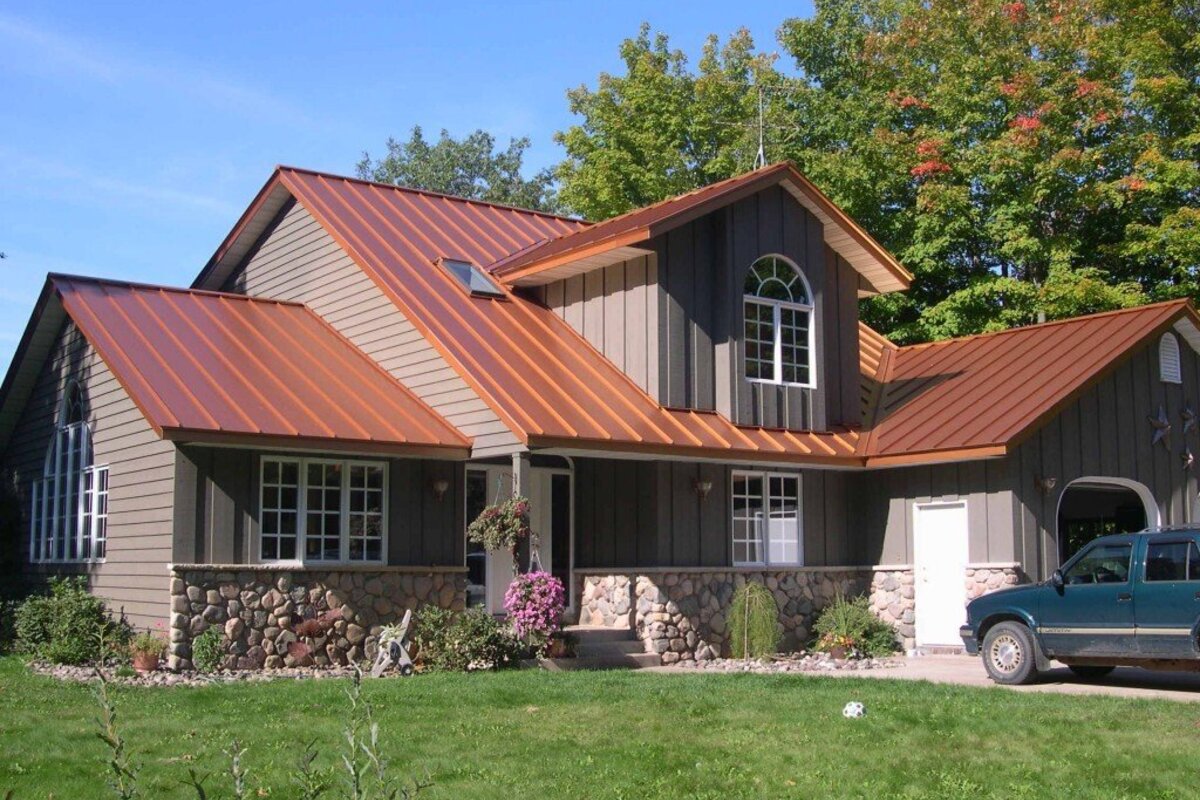
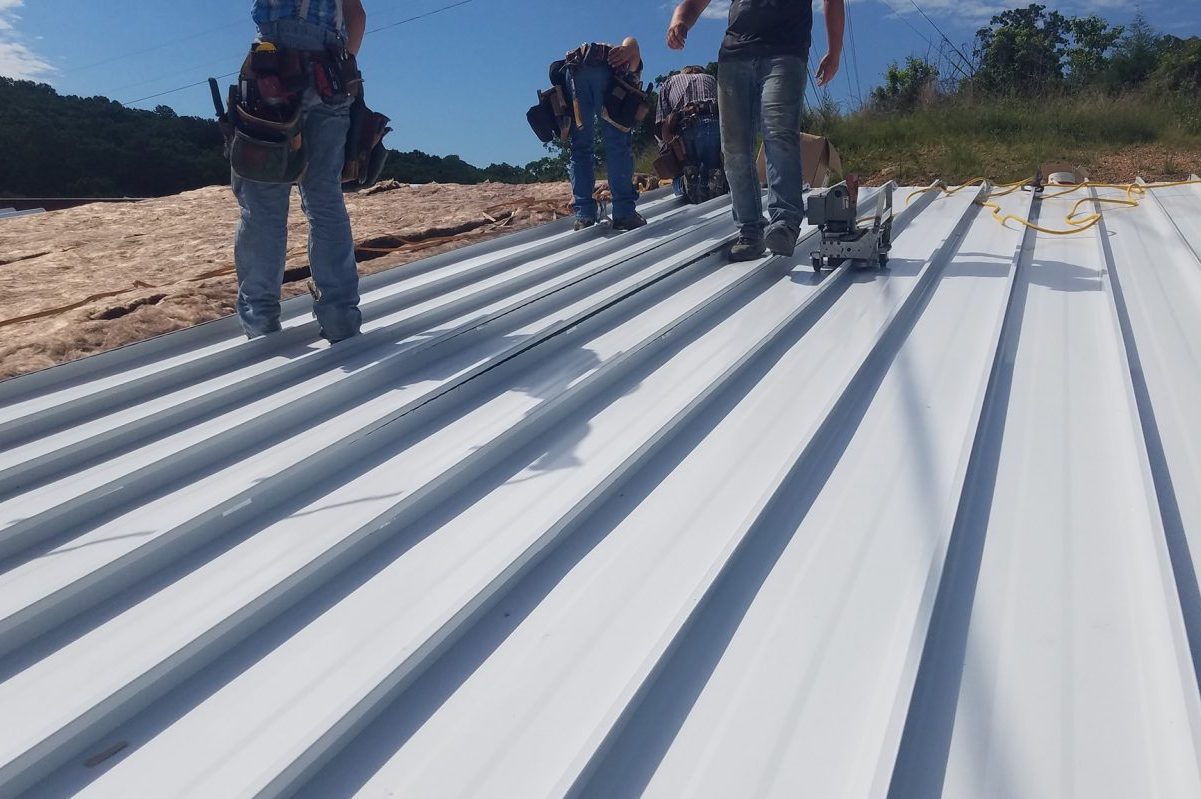
Aluminum profiles present unique maintenance challenges due to their exposure to weathering, chemical pollutants, and mechanical stress. Surface treatments such as anodizing and powder coating provide initial protection, yet these barriers degrade over time through UV exposure, thermal cycling, and atmospheric contaminants. Similar to the protective coatings applied to metal roofing types aluminum facade systems require periodic evaluation to detect early-stage failure before it compromises substrate integrity.
A structured product therapy program establishes clear diagnostic benchmarks, treatment protocols, and scheduling intervals tailored to building exposure conditions and material specifications. This framework transforms reactive maintenance into a planned investment strategy, shifting budget allocation from emergency replacement to predictable preservation.
Understanding Product Therapy for Aluminum Building Systems
Product therapy represents a fundamental shift in how professionals approach the care of aluminum building systems. Rather than waiting for visible failure before taking action, this methodology treats extruded profiles as dynamic assets that respond to environmental stresses and benefit from scheduled intervention. The framework acknowledges that aluminum components undergo continuous change from the moment of installation, with surface finishes, mechanical properties, and structural integrity all subject to gradual modification through exposure and use.
The distinction between reactive and proactive approaches defines the core philosophy. Reactive maintenance responds to observed problems: coating failure that has already compromised the substrate, corrosion that has created structural concerns, or mechanical wear that has affected operational performance. Product therapy, by contrast, establishes assessment and treatment cycles based on predicted degradation patterns rather than visible damage. This preventive stance allows interventions at optimal points in the deterioration process, when surface restoration or targeted treatments can restore performance characteristics before permanent damage occurs.
- Product Therapy
- A systematic approach to maintaining building components through scheduled assessment and intervention, treating physical assets as systems requiring ongoing care rather than static installations.
- Preventive Maintenance
- Scheduled care activities performed before failure occurs, based on anticipated degradation timelines rather than reactive response to observed problems.
- Surface Treatment Renewal
- The process of restoring or reapplying protective coatings to aluminum profiles when assessment indicates declining performance, extending the functional life of the finish system.
- Performance Degradation
- The gradual decline in protective, aesthetic, or mechanical properties of aluminum components resulting from environmental exposure, operational stresses, and time.
Aluminum systems particularly benefit from structured therapy protocols because the material’s performance depends heavily on surface condition. While aluminum itself resists severe corrosion better than many structural materials, the protective finishes that provide both appearance and enhanced environmental resistance have finite service lives influenced by specific exposure conditions. Understanding aluminum extrusion specs helps establish baseline expectations for finish durability and informs appropriate therapy intervals for different profile applications.
The therapeutic approach recognizes that timely intervention costs substantially less than wholesale replacement while delivering comparable performance restoration. A well-executed product therapy program transforms aluminum building systems from depreciating assets into maintained infrastructure with extended useful life.
Common Conditions Requiring Therapeutic Intervention
Surface Degradation and Coating Failure
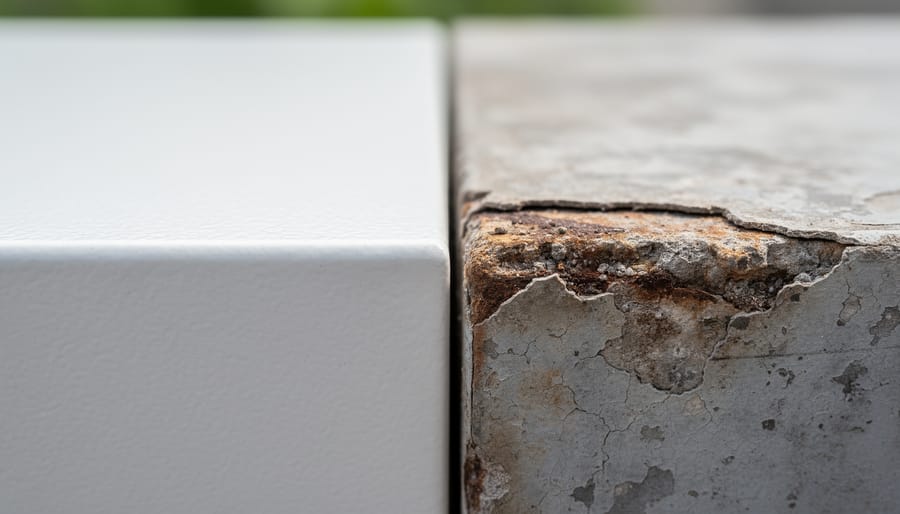
Aluminum profiles develop visible distress signals long before structural compromise occurs. Anodized finishes typically show dulling and loss of luster as their first warning sign, the characteristic metallic sheen fades to a flat, chalky appearance as UV radiation breaks down the oxide layer’s molecular structure. You might notice localized discoloration, particularly around fastener holes or edges where the anodized layer is thinner.
Powder-coated surfaces follow a different degradation pattern. Watch for color fading, especially on south-facing exposures where UV intensity concentrates. The coating may develop a roughened texture as resin binders deteriorate, creating a surface that collects dirt more readily than when new. Small cracks or checking patterns often appear first, allowing moisture penetration beneath the coating film.
Environmental pollutants accelerate both processes. Industrial areas introduce acidic compounds that etch protective layers, while coastal salt spray attacks coating integrity through both chemical and physical mechanisms. High-humidity environments compound these effects by maintaining moisture contact with vulnerable areas.
The progression from early surface changes to coating failure isn’t linear. Some installations show minimal change for extended periods before rapid deterioration begins, while others degrade steadily from installation. Variables include installation quality, exposure severity, and the specific coating formulation used during manufacture.
Early intervention during the initial dulling or minor checking phase typically yields better results than waiting for advanced coating breakdown. Once moisture reaches the aluminum substrate, therapeutic options become more complex and intervention costs rise substantially.
Corrosion in High-Stress Environments
Aluminum profiles in coastal, industrial, and high-moisture environments face accelerated corrosion from chloride exposure, chemical pollutants, and persistent dampness. Unlike uniform surface weathering, corrosion in these settings often manifests as localized attacks that compromise structural integrity before becoming visually obvious.
Galvanic corrosion occurs when aluminum contacts dissimilar metals in the presence of moisture, creating an electrochemical cell that degrades the aluminum preferentially. This appears as white or gray powdery deposits at fastener points, brackets, or where aluminum meets steel or copper components. Coastal installations face particular risk because salt spray creates a highly conductive electrolyte that accelerates the reaction.
Pitting corrosion develops as small surface cavities that penetrate deeply into the profile. These pits start beneath coating defects or in areas where protective oxide layers break down. Early-stage pitting may appear as tiny dark spots or blisters in the finish, though significant subsurface damage can exist before surface evidence emerges.
Stress corrosion cracking combines mechanical loading with corrosive environments, producing fine cracks that propagate perpendicular to stress directions. This condition primarily affects profiles under sustained tension or those experiencing cyclical loading, particularly in solar mounting systems and structural glazing applications.
Effective inspection begins with close examination of drainage paths, joints, and areas where water accumulates. Look for finish discoloration, powdery deposits, or surface irregularities that suggest underlying corrosion. Probe suspect areas gently to assess whether apparent surface damage extends into the base metal. Document locations using reference photography to track progression during subsequent inspections, establishing baseline conditions before therapeutic intervention becomes necessary.
Mechanical Wear and Fastener Degradation
Operable aluminum components experience wear through repeated motion cycles, particularly in window and door applications where tracks, weatherstripping channels, and locking mechanisms see daily use. Sliding elements develop play in their tolerances, hardware mounting points elongate from repeated stress, and corner joints can work loose from the combined effects of mechanical cycling and thermal movement.
Thermal expansion presents distinct challenges in aluminum building systems because the material’s coefficient of expansion is relatively high compared to many structural substrates. Long spans of aluminum curtain wall mullions, solar racking rails, or canopy framing undergo measurable dimensional changes across seasonal temperature swings, creating stress at fixed connection points and potentially loosening fasteners not designed to accommodate movement.
In solar mounting applications, fastener integrity becomes critical because these systems must resist sustained uplift and lateral loads while maintaining electrical grounding continuity. Vibration from wind loading can work fasteners loose over time, and dissimilar metal contact between aluminum profiles and steel hardware accelerates corrosion at connection points if not properly isolated with appropriate washers and anti-seize compounds. Regular inspection of mounting hardware, thermal break integrity, and moving component alignment prevents minor wear from progressing to functional failure.
Diagnostic Methods: Assessing Aluminum Profile Health
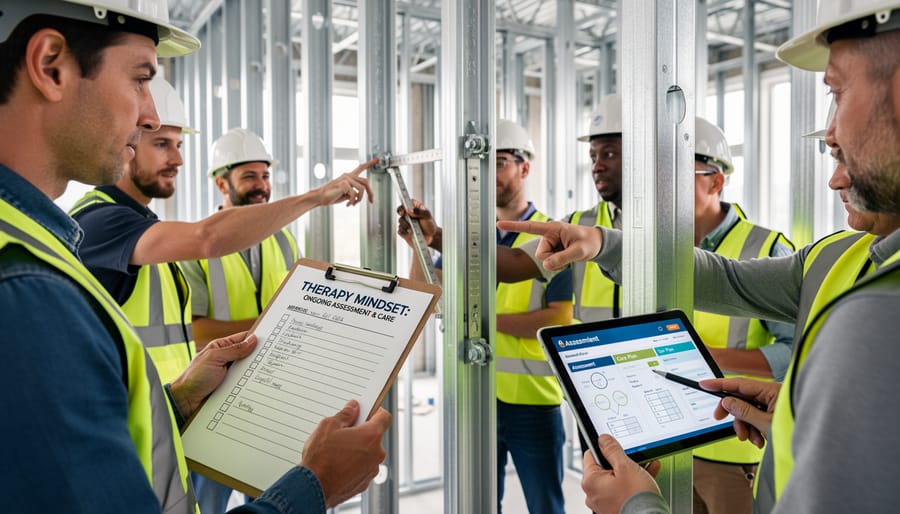
Effective product therapy begins with accurate diagnosis. Assessing the health of aluminum building systems requires a structured approach that combines direct observation, field testing, and strategic documentation. The methods you select depend on the component’s exposure conditions, service history, and the level of detail required for treatment planning.
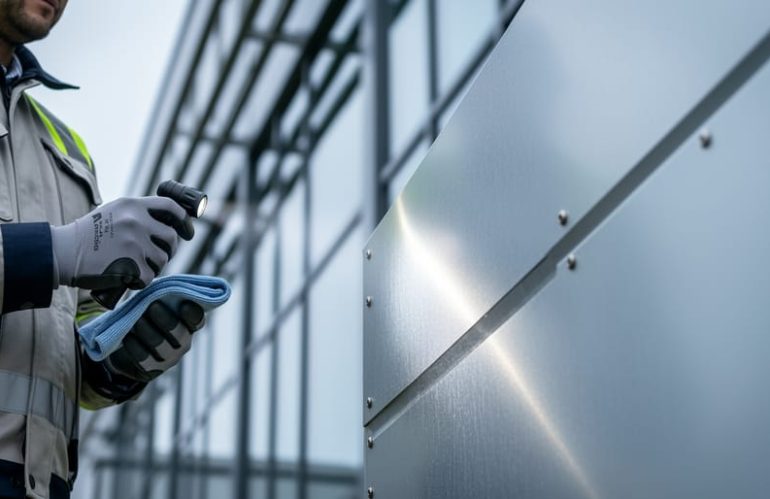
Visual inspection forms the foundation of any diagnostic protocol. Regular visual testing for defects allows you to identify surface anomalies, finish degradation, and mechanical issues before they compromise structural integrity. Examine coating surfaces for chalking, crazing, or color shifts that indicate UV degradation. Check all joints, fastener points, and terminations for gaps, movement, or corrosion products, white or gray powder often signals active deterioration. In solar mounting applications, look for distortion at bracket connections and verify that thermal expansion gaps remain adequate.
Beyond visual assessment, field-appropriate non-destructive methods provide deeper insight. Adhesion testing using cross-hatch or pull-off techniques reveals coating bond strength without destructive sampling. Thickness gauges measure remaining material where corrosion is suspected. For profiles in high-stress applications, ultrasonic testing can detect internal flaws or thickness loss not visible externally, though this typically requires specialized equipment and trained personnel.
A practical diagnostic workflow includes:
- Systematic visual survey following a standardized checklist for consistency across inspection cycles
- Adhesion testing at representative locations to assess coating integrity
- Moisture meter readings near joints and terminations in weather-exposed installations
- Photographic documentation with consistent reference points for tracking progression
- Laboratory analysis of samples when field methods cannot conclusively identify degradation mechanisms
Documentation transforms isolated observations into actionable intelligence. Record findings with location references tied to building drawings or solar array layouts. Date-stamped photographs create visual baselines for future comparison. Note environmental factors like proximity to salt air, industrial emissions, or drainage paths that accelerate deterioration.
This diagnostic rigor enables you to distinguish between minor aesthetic issues requiring simple cleaning and systemic problems demanding coating renewal or component replacement. The investment in proper assessment prevents mismatched treatments and ensures that therapeutic interventions address root causes rather than symptoms.
Treatment Protocols for Aluminum Systems
Surface Cleaning and Restoration
Surface cleaning and restoration form the foundation of any product therapy program for aluminum building systems. Proper cleaning removes contaminants that accelerate coating degradation while restoring the protective barrier that extends profile service life.
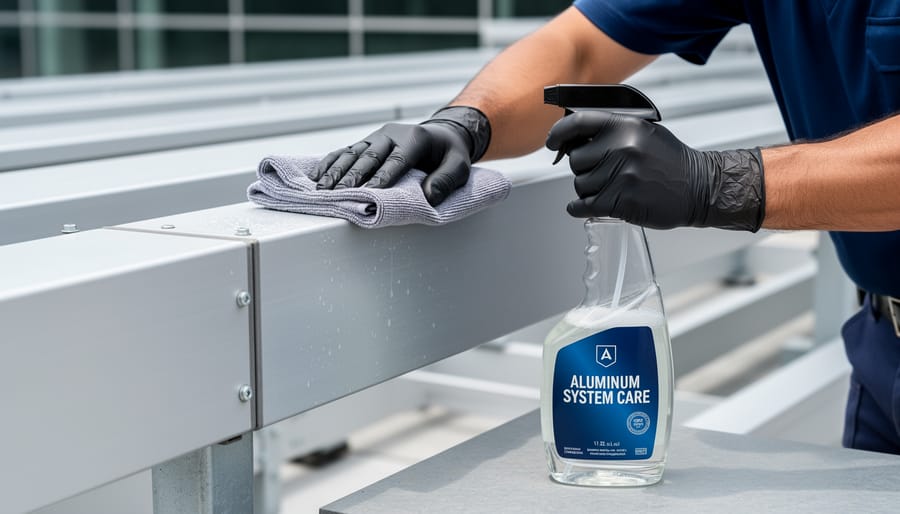
For anodized aluminum surfaces, start with pH-neutral cleaners specifically formulated for anodized finishes. Alkaline or acidic solutions can etch the anodized layer, compromising its protective capacity. Apply cleaner with soft microfiber cloths or non-abrasive pads, working in sections to prevent streaking. Rinse thoroughly with clean water to remove all chemical residue, which can cause spotting or continued surface reaction.
Powder-coated profiles require gentler treatment. Mild detergent solutions work effectively for routine maintenance, while specialized restoration compounds address oxidation and chalking without stripping the coating. Test any cleaning product on an inconspicuous area first to verify compatibility with the specific powder coating formulation.
High-pressure washing offers efficiency for large-scale cleaning but demands careful technique. Keep pressure below appropriate thresholds for the finish type, maintain adequate distance from the surface, and use fan spray patterns rather than concentrated streams. Direct high-pressure jets can penetrate coating edges and force water into profile cavities.
For profiles in industrial or coastal environments, cleaning frequency matters more than cleaning intensity. Regular light cleaning prevents the buildup of corrosive deposits that require aggressive restoration later. After cleaning, inspect surfaces for coating integrity, addressing any identified damage through appropriate coating renewal protocols before degradation progresses.
Coating Renewal and Reapplication
Coating renewal becomes viable when inspection reveals localized deterioration, chalking, fading, or compromised protection, but the underlying aluminum remains structurally sound. The decision hinges on assessing whether intervention extends service life more economically than replacement.
Anodized aluminum presents unique restoration challenges. True anodizing integrates oxide layers into the metal surface through electrochemical processes that cannot be replicated in field conditions. What field application offers is protective topcoat systems applied over cleaned, prepared anodized surfaces. These treatments restore appearance and add weathering resistance, though they function as applied coatings rather than renewed anodization.
Powder coating and liquid finishes permit more viable renewal approaches. Surface preparation determines outcome quality: thorough cleaning removes contaminants, while abrading compromised coating layers creates mechanical bonding surfaces. Field-applied liquid coatings offer flexibility for irregular profiles and repair scenarios, though application conditions, temperature, humidity, dust control, significantly influence results.
Factory recoating provides controlled environments, precise application parameters, and curing systems that field conditions cannot match. Profiles returned to manufacturing facilities receive surface preparation equivalent to original finishing, followed by coating systems engineered for durability. This approach makes sense when multiple components require renewal or when warranty-backed performance matters.
The durability gap between field and factory finishes stems from process control rather than material quality alone. Factory environments eliminate variables that compromise adhesion and cure, while field applications contend with weather, contamination, and equipment limitations. Understanding this distinction helps set realistic expectations for coating renewal investments and informs appropriate treatment selection for specific situations.
Structural Reinforcement and Component Replacement
When product therapy reaches the limits of surface treatment and coating renewal, structural intervention becomes necessary. Compromised aluminum profiles don’t always require complete system replacement, targeted reinforcement and selective component exchange often restore full performance while preserving the majority of the existing installation.
Structural reinforcement typically involves adding supporting members to profiles showing localized stress concentration or minor damage. Aluminum’s compatibility with itself makes this approach viable: new extrusions can be mechanically fastened or bonded to existing profiles using structural adhesives rated for metal-to-metal applications. The key is matching alloy properties and thermal expansion characteristics to prevent introducing new failure points. Engineers assess load paths and determine whether reinforcement adequately addresses the underlying structural concern or whether replacement provides greater long-term reliability.
Selective replacement works best when deterioration affects specific components within a larger assembly. Window and door frames, for example, often experience wear concentrated at sill profiles or operable sections while head and jamb components remain sound. Replacing only the compromised elements maintains the system’s weatherproofing envelope and reduces both material costs and installation disruption. This approach requires careful attention to connection details, new components must integrate seamlessly with existing profiles to maintain structural continuity and aesthetic consistency.
Integration challenges arise primarily from matching finishes and coordinating dimensional tolerances. Factory finishes on replacement components may not precisely match weathered existing surfaces, making strategic placement important. Manufacturers familiar with legacy profiles can often replicate discontinued extrusion geometries, though lead times for custom runs factor into project planning. The decision between reinforcement and replacement ultimately balances structural adequacy, economic efficiency, and the projected remaining service life of adjacent components.
Preventive Product Therapy Programs
Establishing a preventive product therapy program transforms aluminum building systems from passive installations into actively managed assets. The foundation of any effective program lies in matching maintenance intensity to environmental exposure and functional demands rather than applying generic schedules across all applications.
Begin by categorizing your aluminum profiles according to risk factors. Coastal installations face accelerated corrosion from salt spray and require more frequent inspection cycles than inland systems. Industrial environments with chemical emissions demand different protocols than residential settings. Solar mounting systems carrying structural loads need assessment criteria that balance surface condition monitoring with fastener integrity checks. When you initially choose aluminum profiles for a project, document the specified finish type and installation context, this baseline information becomes essential for calibrating maintenance intervals later.
Climate patterns directly influence therapeutic timing. Regions with pronounced wet seasons benefit from pre-season inspections that address accumulated degradation before moisture exposure intensifies. Areas experiencing extreme temperature swings need post-winter assessments to identify thermal stress damage. Rather than rigid calendar-based schedules, effective programs build flexibility around local conditions while maintaining consistent inspection thoroughness.
Develop site-specific protocols by starting with manufacturer guidance, then adjusting based on observed performance. Initial inspection intervals might begin conservatively, perhaps quarterly for high-risk exposures, then extend as you establish actual degradation patterns for your specific installation. Track findings systematically: surface conditions, fastener torque, sealant integrity, and any operational performance changes. This documentation reveals whether your protocols match real needs or require refinement.
The most successful programs integrate maintenance responsibilities into facility management workflows rather than treating aluminum care as an add-on task. Assign specific personnel, provide appropriate training on aluminum-specific techniques, and establish clear escalation criteria for when observations require specialist intervention. Preventive therapy works because it catches minor issues before they demand major interventions, but only when inspections actually happen and findings trigger timely response.
Resource conservation through extended service life represents the core sustainability argument for preventive programs. Deferring replacement means avoiding the embodied energy and material consumption of new profiles while keeping functional systems in operation.
Product Therapy Considerations for Solar Mounting Systems
Solar mounting systems occupy an exposed position where aluminum profiles must simultaneously bear mechanical loads, resist weathering, and maintain electrical isolation, a combination that accelerates wear patterns distinct from building envelope applications. The therapy protocols for these systems require specialized attention to failure modes that can compromise both structural integrity and energy production.
Inspection priorities for solar racking differ substantially from window or curtain wall systems. Because mounting brackets transfer wind uplift and snow loads directly to roof structures, assess connection points first. Look for stress cracks around fastener holes, elongated bolt openings indicating movement, and any signs of metal fatigue at bend radiuses where profiles change direction. These mechanical concerns take precedence over cosmetic surface issues.
Corrosion assessment in solar arrays demands attention to dissimilar metal contact. Where aluminum rails meet steel roof attachments or where copper grounding conductors touch aluminum frames, galvanic action creates localized pitting that progresses faster than general atmospheric corrosion. Inspect these junctions thoroughly during every maintenance cycle, checking for white corrosion powder or surface roughening that signals active degradation.
Treatment timing for solar mounting systems must balance array downtime against degradation progression. Unlike solar panel installation where scheduling flexibility exists, therapeutic interventions on operational arrays interrupt power generation. Plan major treatments during low-production periods when weather permits safe roof access, and coordinate with electrical isolation protocols.
Surface treatments for solar racking favor durability over appearance. Field-applied coatings must cure properly without trapping moisture against aluminum substrates, and any renewal work should avoid materials that might compromise electrical grounding paths. When corrosion has progressed beyond surface treatment, selective component replacement becomes necessary, a process simplified when manufacturers provide matching profiles with compatible mounting geometries.
Preventive therapy for solar mounting systems emphasizes early intervention. Small adjustments to fastener torque or application of penetrating sealants at vulnerable junctions cost less than emergency structural repairs, and protect the substantial capital investment represented by the complete photovoltaic installation.
Working with Manufacturers for Optimal Outcomes
Successful product therapy requires more than proper maintenance techniques, it depends on selecting profiles engineered for long-term serviceability from the start. Manufacturers who integrate maintenance considerations into their design and fabrication processes create systems that respond better to therapeutic interventions throughout their service life.
The manufacturer’s role begins during the specification phase. Detailed documentation of surface treatments, alloy selections, and assembly methods provides the foundation for informed maintenance planning. Profiles designed with accessible joints, replaceable gaskets, and standard fastener patterns simplify future interventions compared to proprietary systems requiring specialized tools or components.
ISO-certified manufacturing processes ensure consistency that directly affects maintenance outcomes. When profiles meet documented dimensional tolerances and surface finish standards, treatment protocols can be applied uniformly across an installation with predictable results. This consistency extends to quality control documentation that tracks alloy composition, coating thickness, and thermal treatment, information that becomes critical when diagnosing performance issues years after installation.
Before committing to a manufacturer, ask:
- What approved cleaning agents and methods are compatible with your standard finishes?
- Which surface treatment options offer the best durability for our specific exposure conditions?
- Can profiles be customized with enhanced corrosion protection for coastal or industrial environments?
- Do you provide maintenance schedules and inspection checklists specific to each product line?
- What technical support is available when field conditions require treatment decisions?
Long Metal Solar Roofing exemplifies comprehensive manufacturer support for product therapy. Beyond custom aluminum extrusion capabilities, the company provides application-specific guidance for solar mounting systems and architectural profiles, addressing the distinct maintenance requirements of each use case. Their engineering team collaborates on profile modifications that enhance cleanability, improve drainage, or accommodate protective coating renewal, design adjustments that pay dividends when therapeutic interventions become necessary.
The most maintainable aluminum systems emerge from partnerships between knowledgeable specifiers and responsive manufacturers who view product delivery as the beginning of a relationship, not its conclusion.
Product therapy transforms aluminum building systems from passive installations into managed assets that deliver sustained performance throughout their operational life. This systematic approach to maintenance and intervention creates economic value by preserving initial capital investments while reducing the total cost of ownership. Rather than waiting for visible failure to prompt costly emergency replacements, structured therapeutic protocols identify emerging issues when corrective measures remain straightforward and budget-friendly.
The environmental case for product therapy aligns equally well with professional responsibilities. Extending the functional service life of existing aluminum profiles conserves the embodied energy and raw materials invested in their manufacture, reducing the demand for new production. This stewardship approach supports broader sustainability objectives while maintaining the structural and aesthetic performance that occupants and owners expect from quality building systems.
Effective product therapy requires collaboration across disciplines. Specifiers who understand maintenance requirements select profiles with appropriate surface treatments and accessibility features. Installers who follow manufacturer protocols establish conditions that support long-term health. Facility managers who implement inspection schedules catch problems early, when interventions cost less and disrupt operations minimally. Manufacturers who provide clear guidance and responsive technical support enable informed decision-making throughout the building lifecycle.
Viewing aluminum profiles as long-term assets requiring informed care represents a mature approach to building management. The therapeutic mindset recognizes that every building component has maintenance needs that, when addressed systematically, deliver reliability, performance, and extended service decades beyond initial installation.