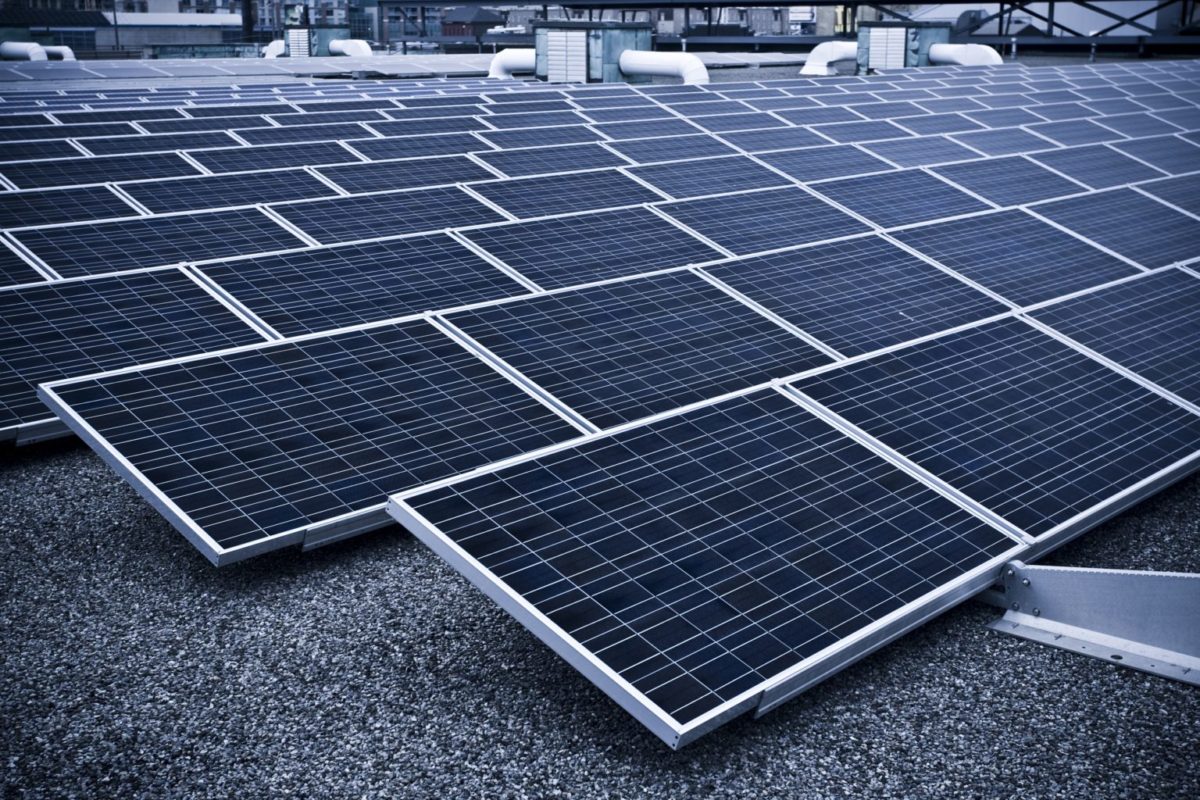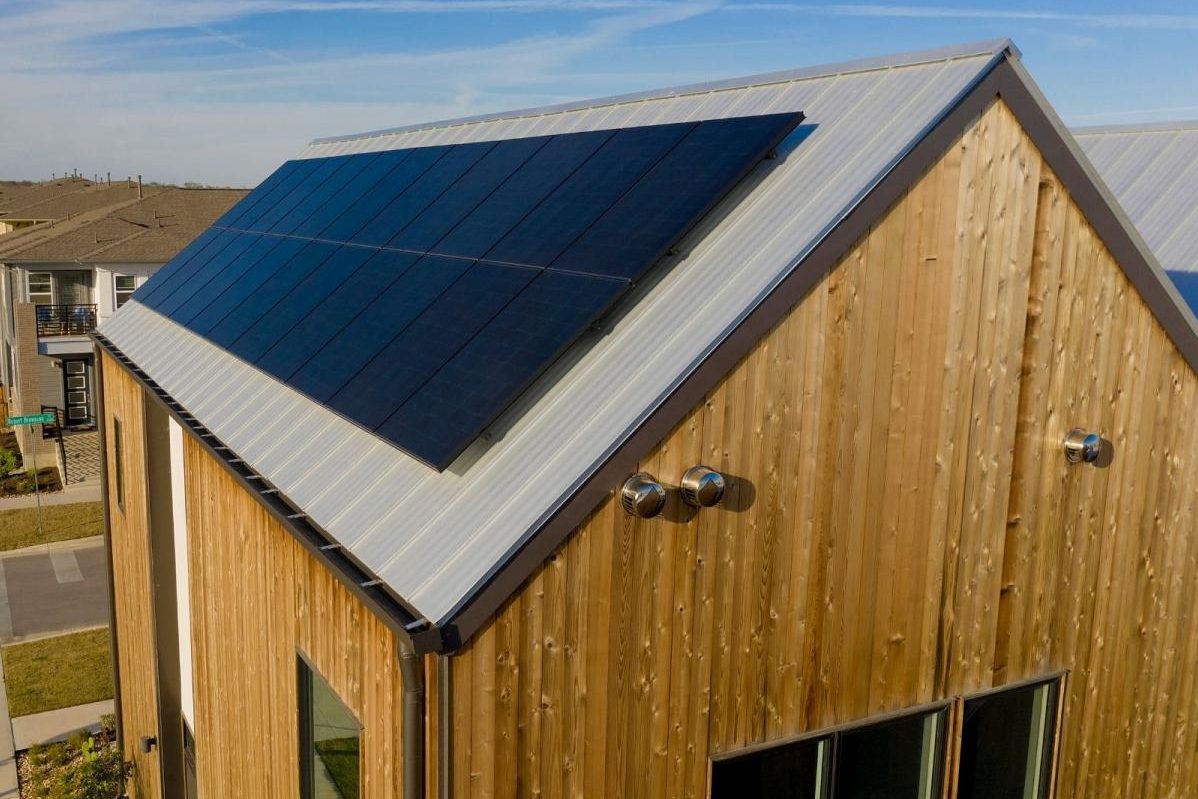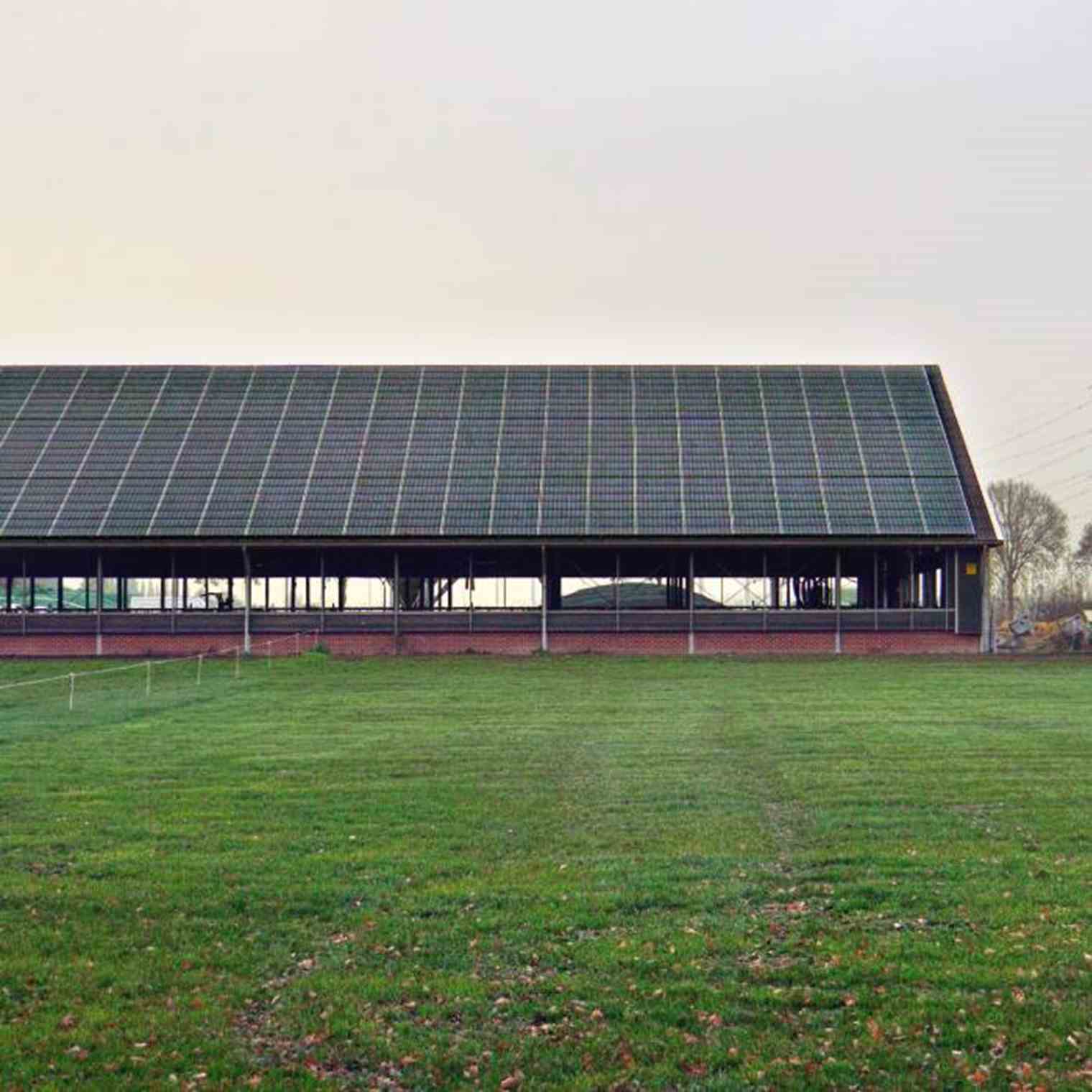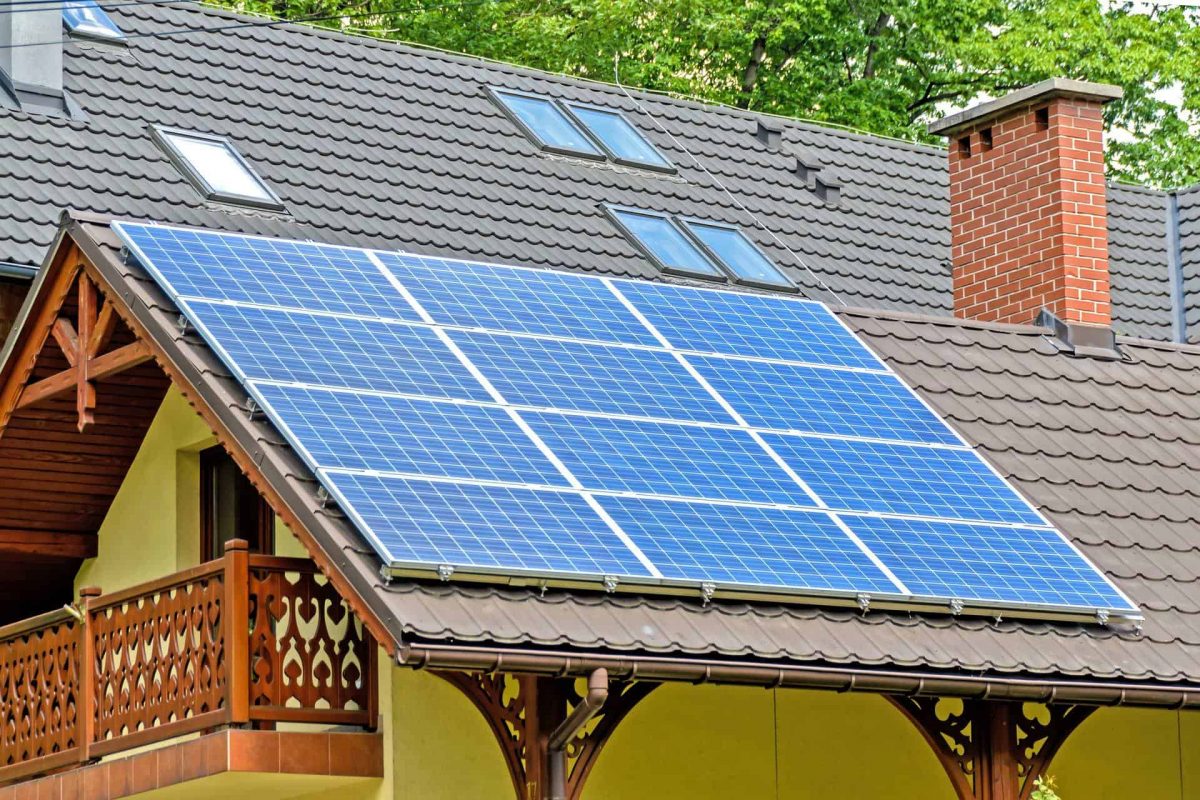
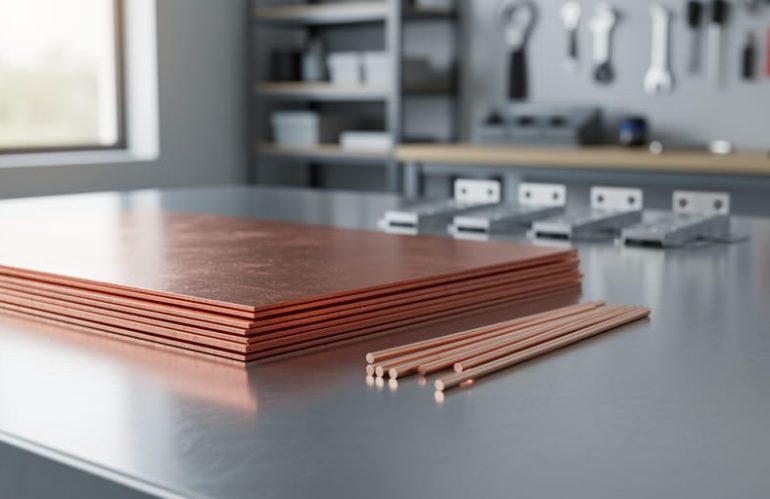
There’s no verified price for you to plan around here: Gunnison Copper’s recent results haven’t been tied to roofing or solar mounting costs, so any dollar-per-square-foot figure would be invented. What can be said is that project costs vary mainly by material choice, system size, and installation complexity, and copper mine output is only one distant input.
The news behind the search is real. Gunnison Copper, based in Phoenix, Arizona, reported that its Johnson Camp Mine reached commercial production in September 2026. Third-quarter revenue came to US$36.1 million, with net income of US$12.7 million. Copper cathode production rose 71% quarter-over-quarter to roughly 3.42 million pounds, and the expanded Stage 2 mine plan, developed with Rio Tinto’s Nuton, adds about 3 million tons of mineralized material to be mined between 2027 and 2029.
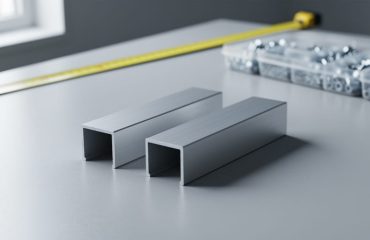
Does that move your budget? Whether this supply shift reaches roofing or solar mounting pricing remains unresolved, and we won’t pretend otherwise. For architects, construction managers, and procurement specialists, the practical question is where metals enter a bid: alloy selection, finish, fabrication, and lead time. Extruded aluminum, customized to project geometry and produced under certified processes, gives you more control over those variables, with recyclability that supports sustainability targets.
Gunnison Copper and Johnson Camp: Key Supply Details for 2026
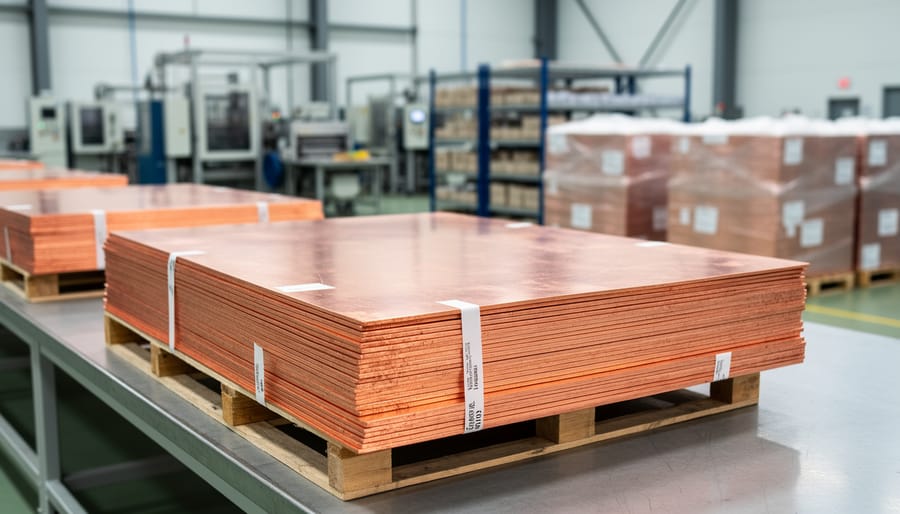
Gunnison Copper is an American copper producer headquartered in Phoenix, Arizona, and its Johnson Camp Mine reached commercial production in September 2026. For a buyer comparing solar roofing options, that is a supply-side headline worth noting. It is not a pricing signal on its own.
The verified figures from the quarter are below.
| Data point | Reported figure | Relevance to downstream metal buyers |
|---|---|---|
| Commercial production | September 2026 at Johnson Camp | Marks a shift from ramp-up to steady operation |
| Q3 2026 revenue | US$36.1 million | Shows the company’s financial scale, not a market price |
| Net income | US$12.7 million (US$0.03 per share) | Reflects company profitability, not project costs |
| Copper cathode production | Up 71% quarter-over-quarter to about 3.42 million pounds | Indicates growing domestic output |
| Copper cathode sales | Up 46% to about 3.31 million pounds | Shows material moving to market |
| Stage 2 expansion | About 3 million tons of added mineralized material, expected to be mined 2027 to 2029 | Points to longer-term supply continuity |
The Q3 2026 copper cathode output figures show a mine ramping up quickly. The Stage 2 mine plan was expanded in partnership with Rio Tinto’s Nuton, which suggests the operation expects to keep producing for several years.
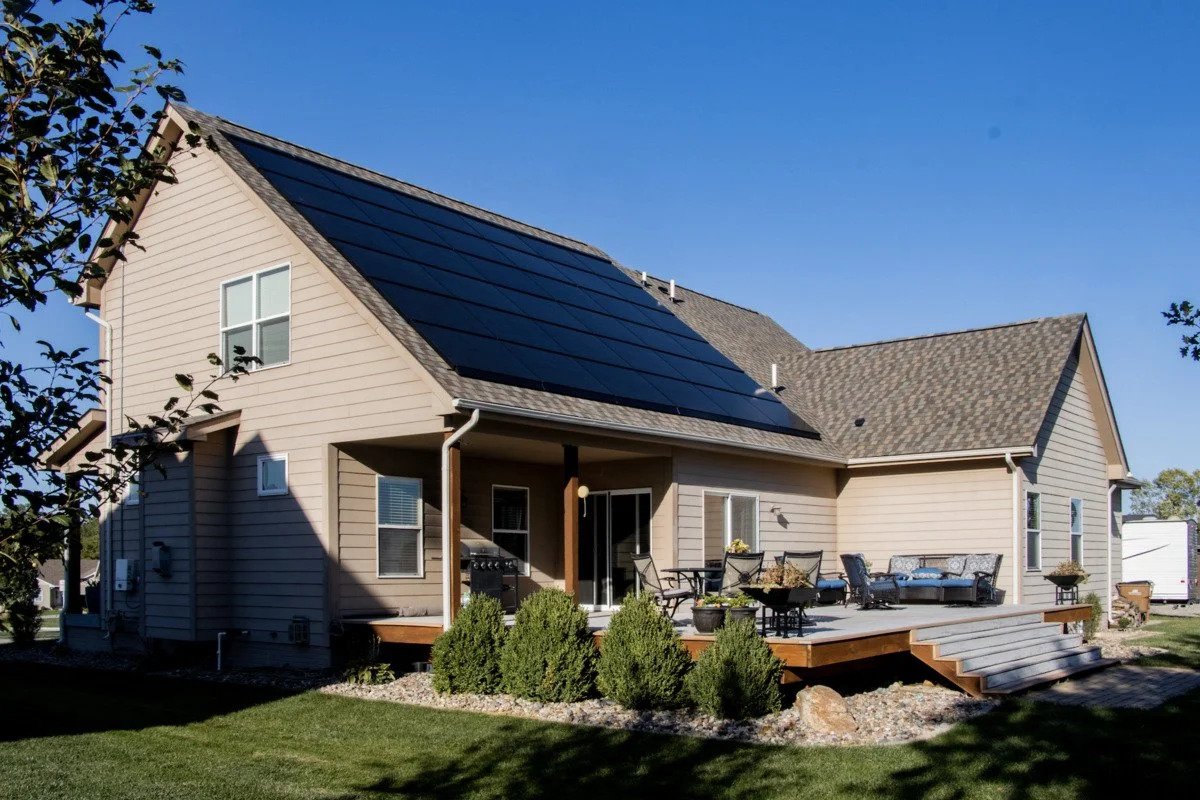
What do these numbers mean for someone specifying a rooftop system? Less than the headlines might suggest. Roughly 3.42 million pounds of cathode in a quarter is a company-level result. It does not establish a copper price trend, and the available facts do not show any effect on roofing project costs. Copper also plays a supporting role in solar roofing, mostly in conductors and grounding, while structural components typically rely on aluminum. For a broader view of how metals fit into these systems, see Metal Roofing and Solar.
Treat Johnson Camp as a supply development to monitor, and keep your quotes grounded in the material and installation variables that actually shape your project’s total.
Cost by Primary Variable: Which Metal Drives Your Solar Roofing Price?
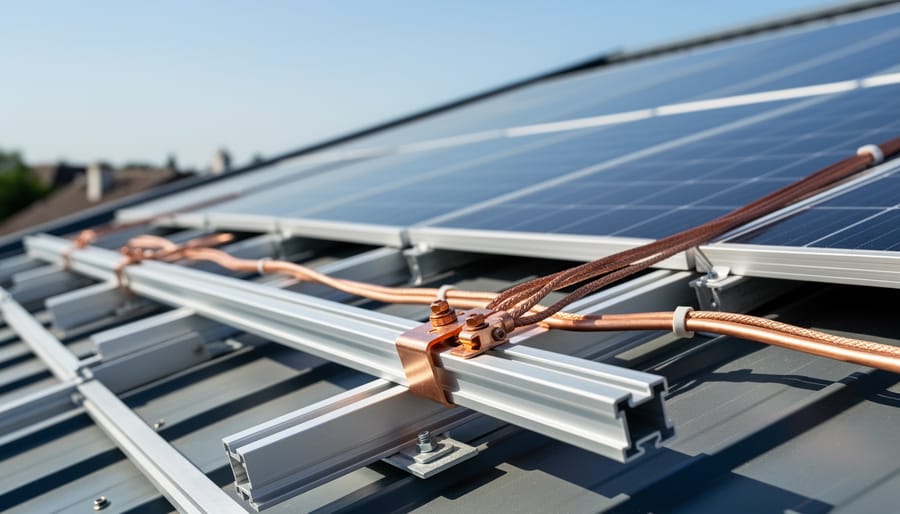
Aluminum Profiles vs. Copper Components in a Solar Roofing System
Gunnison Copper’s Johnson Camp output feeds the copper side of a solar roofing project, which is a smaller slice than many buyers assume. The structural side leans on aluminum, and the role of aluminum in solar installations is mostly about the extruded profiles that carry the load.
A typical system divides roughly like this:
- Aluminum extrusions: mounting brackets, rails, and framing profiles that support the modules.
- Aluminum extrusions: panel frames and structural trim, chosen for strength relative to weight and corrosion resistance.
- Copper: conductors and wiring that carry the generated current.
- Copper: grounding conductors and bonding components that protect the electrical system.
Because the structural mass is aluminum, a project’s metal exposure tilts toward aluminum alloy, profile weight, and finish. Copper exposure is concentrated in the electrical package.
This distinction matters for specification. Customizing an extruded profile can trim material use and support sustainability goals, while copper content is largely set by electrical design and code requirements. Neither link to mine supply is direct, so quote-level detail is the better guide to your actual exposure.
Project Variables That Typically Move the Total
Five variables typically move a solar roofing total more than raw metal prices do.
System size sets the baseline. More roof area means more profile length, more fasteners, and more labor hours, though larger projects can spread fixed costs like tooling across more units.
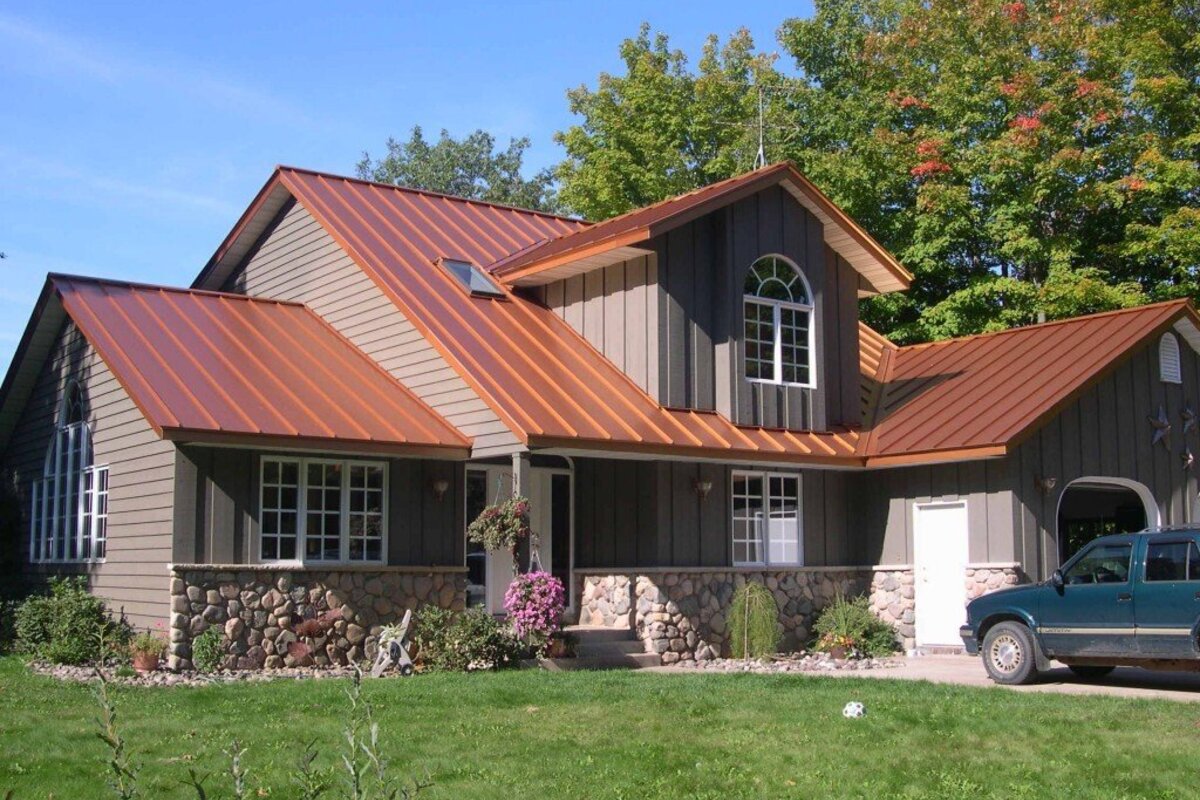
Roof type matters next. Standing seam, membrane, and sloped or irregular structures each require different attachment methods and flashing details, and complex geometry adds cutting, fitting, and time.
Profile customization is a trade-off. A standard extruded profile avoids die costs, while a custom profile adds upfront tooling but can reduce waste, part counts, and installation steps over a project’s life.
Finish also shifts the price. Anodizing and powder coating add processing cost, and the right choice depends on climate exposure and the appearance specified.
Logistics round out the picture: freight distance, lead times, and delivery staging all affect the final figure. Upstream metal markets matter, but these project-specific variables usually explain most differences between quotes.
Cost Breakdown: Where the Money Goes in a Metal Solar Roofing Project
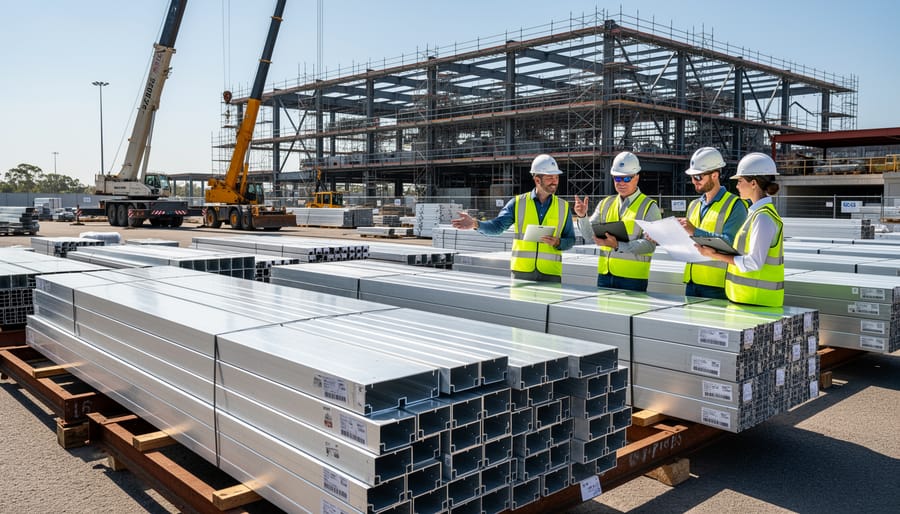
When you review a quote for a metal solar roofing or mounting project, the single bottom-line number hides how the price is built. Asking for it in layers shows which portion tracks commodity markets and which portion is fixed work that holds steady regardless of what metals do.
Johnson Camp’s September 2026 commercial production milestone shows why this matters. Copper cathode output rose 71% quarter-over-quarter to about 3.42 million pounds, yet a mine’s ramp-up reaches your project only through several intermediaries. Itemized pricing is how you tell whether any of it shows up on your invoice.
| Cost Layer | What It Covers | Metal-Market Sensitivity |
|---|---|---|
| Raw metal | Aluminum billet or copper components by weight | High |
| Extrusion and tooling | Die design, die fabrication, press runs | Moderate |
| Surface treatment | Anodizing, powder coating, finish quality control | Low |
| Fabrication | Cutting, drilling, assembly, packaging | Low |
| Certification and testing | Structural, corrosion, and standards compliance verification | Low |
| Freight and installation | Transport, handling, roof labor, commissioning | Low to moderate |
These sensitivity ratings are general tendencies, not forecasts. Raw metal is usually the most exposed layer. Tooling is a one-time cost that can be spread across a production run, while finishing, certification, and labor follow their own cost drivers.
A supplier that handles design, extrusion, finishing, and fabrication in-house gives you fewer handoffs to price and fewer places for unexplained markups. It also makes customization easier to scope, since a profile shaped to the project can reduce offcuts and scrap. That is better for budgets and for sustainability, though the effect varies by project, so judge it through the line items rather than a promised saving.
Price Factors: What Mine Supply Can and Cannot Change
Why a Single Mine Rarely Sets Your Quote
A producer like Gunnison Copper can ramp up output, as it did when Johnson Camp Mine reached commercial production in September 2026, and the effect on your roofing quote still gets diluted fast. Copper cathode trades on global markets, so one operation’s added pounds are a small part of a much larger supply picture. Then come contract terms, which often fix prices for set periods, and a chain of intermediaries: smelters, rod mills, distributors, extruders, fabricators, and installers. Each adds its own margin, timing, and inventory buffer.
That is why a mine’s ramp-up works better as a signal to watch than as a price driver. Whether Johnson Camp’s growth reaches finished roofing costs is not established by the available facts, and no one should budget on that assumption.
For solar roofing, the practical lever is the contract in front of you, not a producer’s quarterly results.
DIY vs. Pro: Who Should Handle Metal Roofing and Solar Mounting?
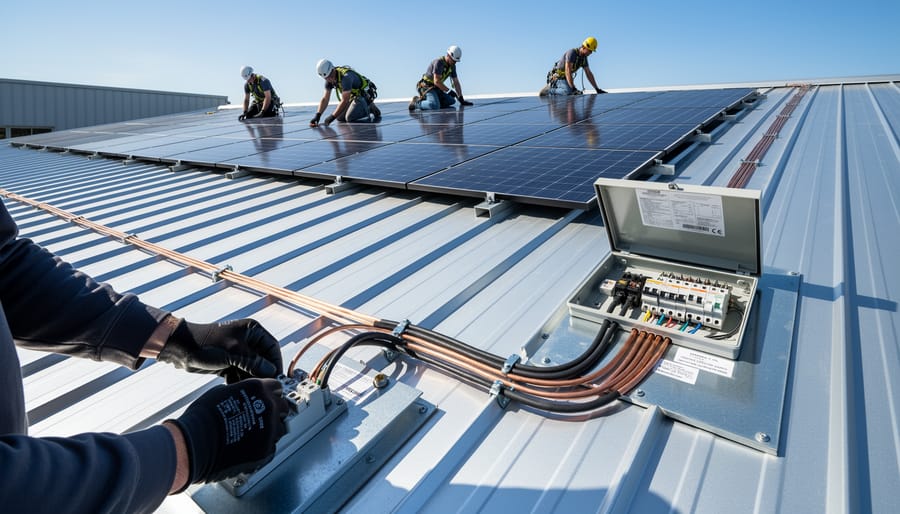
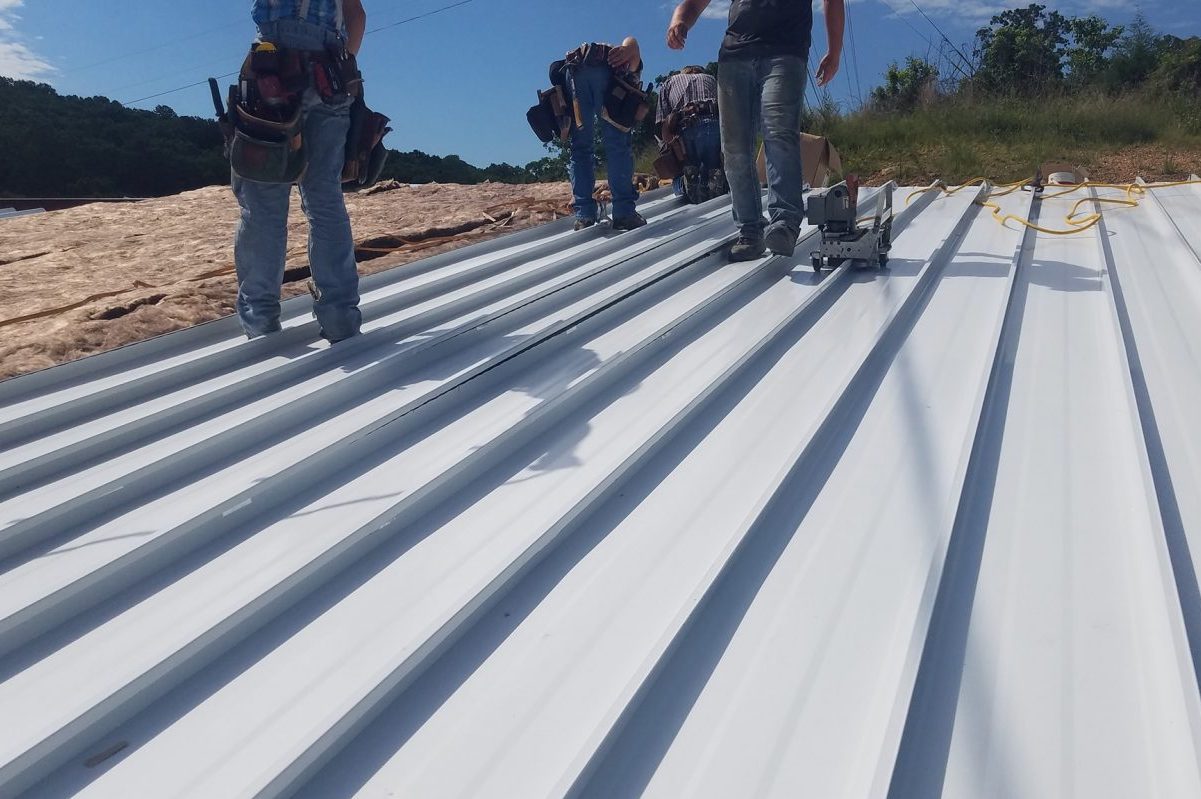
Whether an owner can safely manage a metal roof with solar mounting depends on the scale of the project, but for most commercial work the answer is professional specification and installation. A rooftop array adds structural load, new roof penetrations, and electrical grounding requirements, and each one must be engineered and documented. Even the way how panels are fixed to the roof deck or seams affects waterproofing, wind uplift resistance, and long-term performance.
Pros
- Owner-managed work can reduce labor costs on small, simple roofs.
- Direct control over scheduling and material selection suits modest residential projects.
- Standard profiles may be easier to source and handle without specialist equipment.
Cons
- Improper penetrations or flashing can cause leaks that are costly to trace and repair.
- Structural load and grounding errors create safety and code compliance risks.
- Unapproved installation methods can void manufacturer or panel warranties.
- Rework and delays often erase any labor savings.
Any savings from lower metal costs are easily lost to errors or rework. That includes savings tied to broader supply news, such as Gunnison Copper’s Johnson Camp production milestone, whose effect on roofing pricing is not established. A single misaligned bracket or poorly sealed fastener can cost far more than the material was worth.
Professionals also bring code and standards compliance, load calculations, and documented grounding, which inspectors and insurers expect. They can specify customized aluminum profiles matched to the roof geometry and array layout, which reduces field modification and material waste. For these reasons, architects and construction managers generally specify professional installation on commercial work, keeping warranty coverage intact and accountability clear.
Managing Metal Price Exposure: Practical Steps for Buyers in 2026
Metal price swings are a fact of procurement, and a single mine’s ramp-up is a signal to watch, not a number to budget around. Gunnison Copper’s Johnson Camp reaching commercial production in September 2026 is a good example of supply news that may or may not reach a finished quote. The practical response is to control what you can: quote structure, contract terms and supplier verification.
Start by requesting itemized quotes so you can see which lines are metal-sensitive and which are fixed. Then pin down how long that pricing holds and whether adjustment clauses apply. Weigh standard profiles against customized ones, too. A tailored profile can cut material waste and reduce rework, though it usually adds tooling time, so build lead times into your schedule early.
Supplier verification matters as much as price. Certifications such as ISO 9001 for quality management and ISO 14001 for environmental management give you objective checkpoints, and your own quality control specialists can confirm that the paperwork matches what arrives on site.
Before you commit, put these questions to any profile supplier:
- How long is the quoted price valid, and what triggers an adjustment?
- Can you break the quote into metal, tooling, finishing, and freight?
- Do you hold current ISO 9001 and ISO 14001 certificates?
- What is the realistic lead time for standard versus customized profiles?
- What recycled aluminum content can you document?
- How recyclable is the finished profile at end of life?
Sustainability belongs in this conversation. Recycled content and end-of-life recyclability support both environmental goals and long-term material value.
Frequently Asked Questions About Copper Supply and Solar Roofing Costs
Does more domestic copper production lower solar roofing prices?
Not in any way the available facts establish. Johnson Camp’s higher output adds supply, but global commodity pricing, contract terms, and several intermediaries sit between a mine and a finished roofing quote, so any pass-through is indirect and uncertain.
Is copper used in aluminum solar mounting profiles?
No. Mounting rails, brackets, and framing are typically aluminum extrusions, while copper appears mainly in wiring and grounding. That is why aluminum alloy, profile weight, and finish usually weigh more heavily in a quote than copper does.
What did Johnson Camp’s 2026 milestone involve?
Gunnison Copper’s Johnson Camp Mine reached commercial production in September 2026. Third-quarter copper cathode production rose 71% to about 3.42 million pounds, and the expanded Stage 2 plan with Rio Tinto’s Nuton adds roughly 3 million tons of mineralized material expected to be mined between 2027 and 2029.
How should buyers handle metal price volatility, and what certifications matter?
Ask for itemized quotes, clear price-validity periods, and any adjustment clauses before you commit. On the supplier side, ISO 9001 and ISO 14001 certifications are sensible verification points for quality and environmental management.
Taken together, these answers point to the same practical conclusion: treat Gunnison Copper’s progress as a supply-side signal worth watching, not as a number that rewrites your project budget. The decisions that most reliably protect a roofing budget are made in specification and procurement, where a supplier can tailor profiles to reduce material waste.
Gunnison Copper’s Johnson Camp milestone is a genuine supply-side signal. Commercial production arrived in September 2026, and cathode production rose 71% quarter-over-quarter to about 3.42 million pounds. But a mine’s output reaches a roofing quote only through a long chain:
- Mine production: cathode output rises, but only for that one operator.
- Cathode sales: material moves under contract terms, which can delay any market effect.
- Wire and component makers: copper is converted into conductors and grounding parts, and the share of a mine’s output is diluted among many sources.
- System suppliers: components are bundled with aluminum profiles and hardware, so copper becomes a small part of the package.
- Project quote: installation, finishes, and customization are added, further diluting any upstream change.
Because of that dilution, the effect on solar roofing costs is not established. Aluminum profiles, customization, finishes, and installation shape most project totals. Ask for itemized quotes so you can see what is metal-sensitive and what is fixed, choose suppliers with ISO 9001 and ISO 14001 certification, and consider customized profiles that cut material waste and use recycled aluminum. When you’re ready to move forward, request a project-specific profile quote.